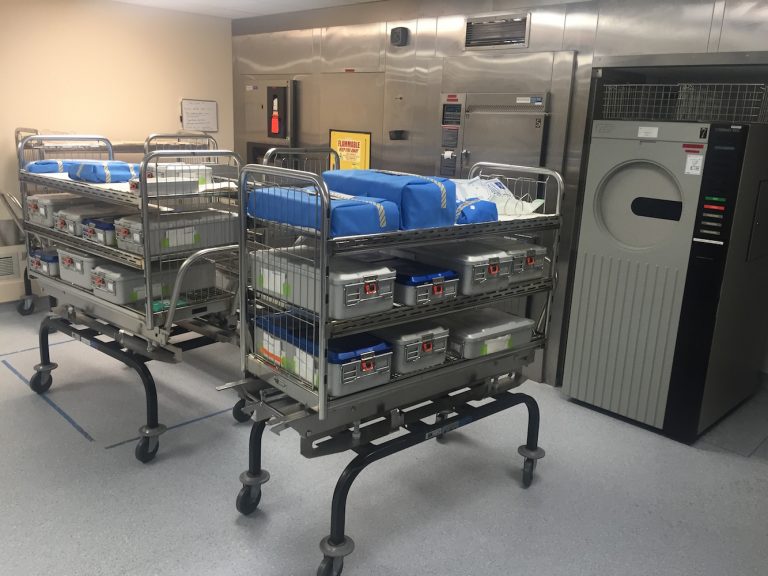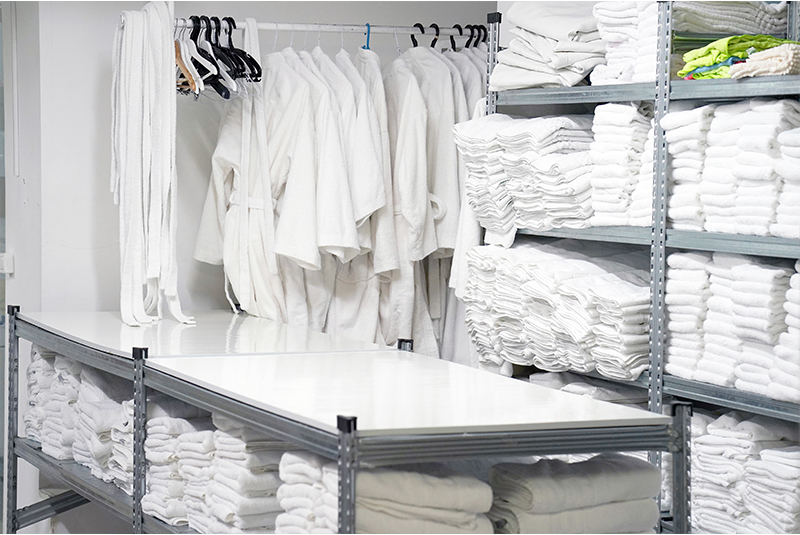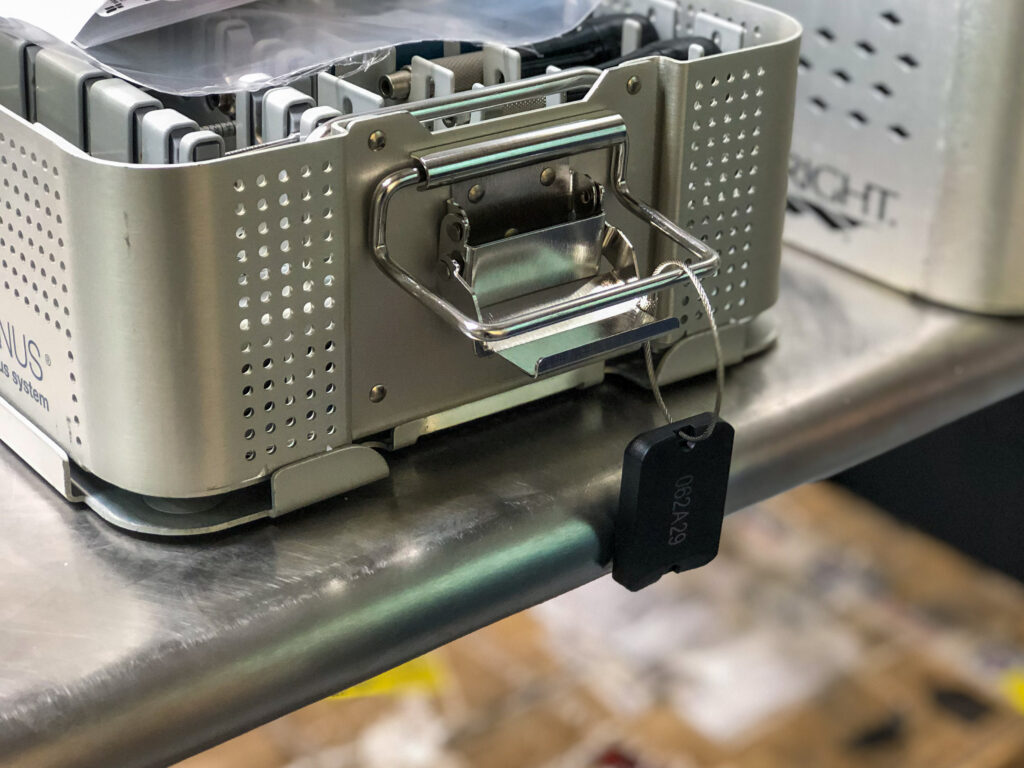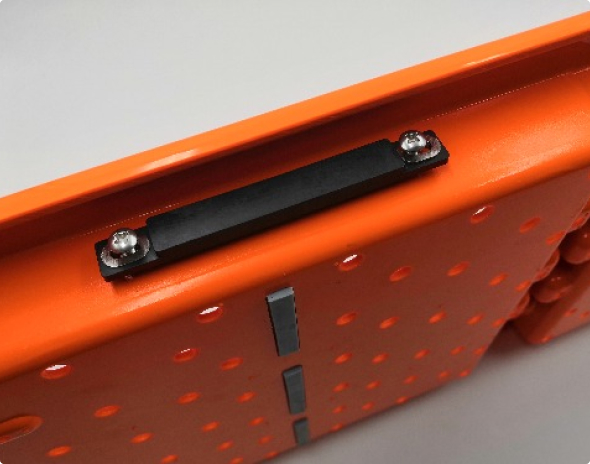
RFID-enabled loaner systems change this. By attaching durable, autoclavable RFID tags to surgical trays, containers, and cassettes, manufacturers can achieve real-time, field-to-facility visibility across their entire loaner fleet. RFID tracking ensures that every set is accounted for, properly sterilized, and ready for use — from the warehouse, to the trunk, to the operating room.
For manufacturers, the benefits are immediate and measurable:
Utilization – Maximize the return on investment in surgical kits by knowing where every set is, how it is used, and when it returns for reprocessing.
Compliance – Support UDI, EU MDR, and sterility validation requirements with automated traceability and quality documentation.
Integration – Connect seamlessly to existing platforms through standard APIs and data exports, while retaining full ownership of usage data.
Deployment – Scale easily, from pilot programs to fleets of hundreds of thousands of trays, with minimal infrastructure and no disruption to hospital operations.
By digitizing loaner workflows, RFID in medical industry helps manufacturers elevate service levels, strengthen partnerships with hospitals, and ensure that critical assets are available, compliant, and patient-ready.
This white paper explains how medical device manufacturers can design an RFID loaner system around their fleet, hospital workflows and reprocessing requirements.
Why Loaner Systems Are Difficult to Control
Medical device manufacturers move surgical trays and consignment sets between warehouses, field teams, hospitals and Sterile Processing Departments. A single set may pass through shipping, trunk stock, hospital receiving, reprocessing, clinical use and return before it becomes available for another procedure.
This distributed workflow creates several control problems:
Limited Location Visibility: Manufacturers may know which hospital or representative holds a set without knowing its current workflow stage or last confirmed location.
Idle Inventory: High-value sets can remain unused in vehicles, hospitals or storage while another location requests the same configuration.
Manual Reconciliation: Barcode scans, spreadsheets and physical counts make field and consignment inventory slow to reconcile.
Incomplete Handoffs: Shipment, receipt, reprocessing, use and return events may be recorded in separate systems or missed entirely.
Hospital Coordination: Late arrivals, missing documentation and uncertain return timing create additional work for receiving, SPD and manufacturer teams.
Variable Reprocessing Conditions: Tags and mounting methods must remain attached and readable through the cleaning, sterilization and handling processes applied to each tray.
Barcodes and existing software can support parts of this workflow, but they depend on individual line-of-sight scans at every required handoff. An RFID loaner system adds automated tray-level identification at selected read points, helping manufacturers and hospitals build a more complete movement history without requiring every event to be captured manually.
How Manufacturers Gain Field-to-Facility Control
Medical device manufacturers invest heavily in surgical trays, containers and consignment sets that remain in circulation for years. An RFID loaner system can improve control of this fleet by capturing tray identities at defined handoffs across warehouses, field inventory, hospitals and returns.
Fleet Utilization
RFID read events can show which sets are moving, available, deployed or remaining idle at a field or hospital location. Manufacturers can use this history to identify underused inventory, improve allocation and reduce unnecessary duplication of high-value sets.
Inventory Reconciliation
RFID enables multiple tagged trays or containers to be identified without scanning each barcode individually. This can accelerate warehouse counts, trunk-stock audits and hospital consignment reconciliation, provided the read zone is designed to distinguish the intended inventory from nearby assets.
Shipment and Return Control
Reads at dispatch, receipt and return points can document when each set moves between the manufacturer, sales representative, logistics provider and hospital. Exceptions such as an unreceived shipment, overdue return or unexpected tray can then be investigated earlier.
Reprocessing and Quality Records
The tray’s RFID identity can be associated with receiving, cleaning, assembly, sterilization and release records captured by the responsible workflow system. This supports traceability and quality documentation, but RFID does not itself validate sterilization conditions, confirm tray contents or demonstrate regulatory compliance.
Data and System Integration
RFID read events can feed established loaner-management, sterile-processing, ERP, inventory or analytics platforms. Relevant systems include STERIS SPM, Censis LoanerLink and SpaceTRAX from Stanley Healthcare.
Integration may use APIs, standardized exports or another supported method according to the platform and hospital environment.
The architecture should define system ownership, hospital access, event accuracy, cybersecurity and the data each party is authorized to use. Manufacturers should confirm integration capabilities directly with the relevant software provider rather than assume universal interoperability.
How Hospitals Benefit From an RFID Loaner System
The manufacturer may own the loaner fleet, but hospitals manage critical receiving, reprocessing, scheduling and return activities. Shared tray-level visibility can improve coordination without requiring the hospital to adopt the manufacturer’s complete internal system.
Receiving and Handoffs
RFID can identify loaner trays as they arrive, helping hospital teams compare received assets with the expected shipment and record custody. The same tray identity can support subsequent handoffs between receiving, sterile processing, the operating room and return logistics.
Sterile Processing
Loaner trays may be unfamiliar, arrive on short notice or require specific handling documentation. Connecting each tray identity with count sheets, instructions and workflow records can help SPD teams manage receiving, reprocessing and release. RFID documents the identity and movement of the tray; it does not confirm its contents or establish that sterilization was successful.
Operating-Room Coordination
Tray status and location data can help teams determine whether the required set has arrived, completed reprocessing and become available for a scheduled procedure. Where supported by the hospital’s architecture, these events may be connected with scheduling or clinical platforms such as Cerner, Epic or MEDITECH. Integration requirements must be confirmed with the hospital and relevant software provider.
Return Management
Recording when trays leave clinical use, re-enter sterile processing and become ready for collection helps hospitals and manufacturers coordinate returns. This can reduce searches, disputed custody and sets remaining unnecessarily at the facility.
Documentation and Accountability
A shared event history can show when a tray was received, transferred, reprocessed, issued and returned. This supports operational review and exception investigation while leaving sterility decisions, procedural controls and regulatory responsibilities with the appropriate hospital and manufacturer teams.
An RFID loaner system therefore helps the hospital manage loaner-tray handoffs and availability while giving the manufacturer better visibility into its distributed fleet.
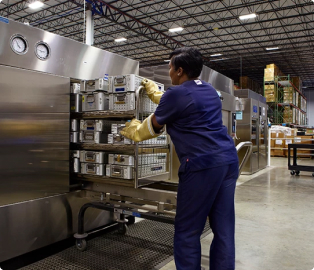
RFID Technology for Loaner Systems
An RFID loaner system depends on more than selecting a durable tag. The tag, attachment, reader installation and software workflow must work together across the manufacturer’s facilities, field inventory and participating hospitals.
Tray-Level RFID Identification
Passive UHF RFID gives each surgical tray, container or cassette a battery-free identity that can be captured without direct line of sight. Defined read points can record events such as warehouse dispatch, trunk-stock inventory, hospital receipt, reprocessing handoffs and return.
RFID identifies the tagged tray rather than the instruments inside it. If contents verification is required, that must be handled through the hospital’s assembly process, count sheets, vision system or another validated method.
Tag Selection
The appropriate Xerafy tag depends on the tagged item, available mounting space and actual reprocessing exposure:
- MICRO Autoclave: Compact tray-level identification designed for repeated autoclave processing and demanding cleaning conditions.
- ROSWELL Autoclavable: Ultra-rugged identification for surgical trays, cases and containers requiring a robust stainless-steel construction.
- MICRO Medical: An OEM-focused option for integration into medical devices or equipment where the construction and exposure conditions have been specifically qualified.
Do not assume that one construction is suitable for autoclave, EtO, gamma and e-beam processing. Each sterilization method creates different material, electronic and attachment requirements. Product selection and qualification should use the intended sterilization workflow.
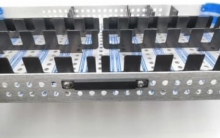
MICRO Medical – A compact, OEM-focused tag designed for seamless integration into medical devices, providing traceability while meeting sterilization compliance standards.
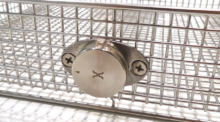
ROSWELL Autoclavable – An ultra-rugged tagging solution for all types of surgical trays and containers, combining biocompatible materials with durability at the highest sterilization temperatures.
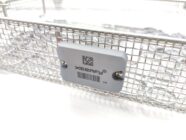
MICRO Autoclavable – Compact and robust, ideal for tracking surgical trays with an extended read range and high resistance to repeated reprocessing cycles.
Mounting and Placement
Mounting should be matched to the tray material, geometry, available holes, maintenance requirements and cleaning process. Depending on the tag and item, installation may use screws, rivets, inserts or another validated mechanical method.
Placement should:
- Protect the tag from direct impact and snagging.
- Avoid obstructing tray handling, stacking or reprocessing.
- Remain accessible for inspection and replacement where required.
- Provide consistent orientation at the intended read points.
- Limit interference from surrounding metal trays and instruments.
Read-Point Design
Readers should capture a defined business event rather than attempt to provide unrestricted real-time location across every environment. Common read points include warehouse dispatch and return, trunk-stock counting, hospital receiving and selected sterile-processing transitions.
Testing should confirm:
- Required read distance and orientation.
- Tray density and stacking configuration.
- Reader antenna position and shielding.
- Missed-read and unintended-read rates.
- Correct association between each RFID read and the corresponding workflow event.
The final system should be validated with representative trays, mounting methods, reprocessing cycles and operational conditions before wider deployment.
RFID and Barcodes in a Loaner System

Barcodes, QR codes and RFID can each support loaner management. The appropriate data-capture method depends on the asset, workflow event and systems already used by the manufacturer and hospital.
Line of Sight and Counting
Barcodes and QR codes require a visible code and an individual scan. This remains useful for controlled tasks where staff must inspect or confirm one specific item. RFID can identify multiple tagged trays without direct line of sight, making it better suited to warehouse counts, trunk-stock reconciliation and defined portal or cabinet reads.
Workflow Automation
RFID readers can capture selected handoffs without requiring an operator to scan every tray. This can reduce missed transactions, but only when the read zone, event rules and exception process are properly designed. RFID reads should not automatically be treated as accurate business events without validation.
Serialized Identification and UDI
Both barcodes and RFID can carry or reference serialized identification data. Where RFID forms part of a UDI workflow, the manufacturer must define which identifier is encoded, how it relates to the human-readable and barcode label, and which information remains in the enterprise system.
RFID provides an additional machine-readable identity. It does not independently ensure FDA, EU MDR or other regulatory compliance.
Existing Loaner and Hospital Systems
RFID read events may be integrated with platforms such as STERIS SPM, Censis LoanerLink, SpaceTRAX, WebOps or LoanerTrak, as well as manufacturer ERP and inventory systems. Compatibility, available interfaces and workflow ownership should be confirmed for each implementation.
In many deployments, the strongest design is hybrid: barcodes remain available for visual identification and individual confirmation, while RFID automates tray-level counting and selected handoffs. The objective is not to replace every existing technology, but to use the appropriate capture method at each stage of the loaner workflow.
How to Evaluate an RFID Loaner System
A useful evaluation should follow representative loaner trays through the actual manufacturer and hospital workflow. Start by defining:
Fleet Scope: Tray types, quantities, ownership model, circulation pattern and current locations.
Required Visibility: The decisions the system must support, such as allocation, trunk-stock counting, hospital custody, reprocessing status or return timing.
Workflow Events: The specific points at which dispatch, receipt, handoff, reprocessing and return should be recorded.
Tray and Tagging Conditions: Tray material, geometry, available mounting space and required service life.
Reprocessing Exposure: Autoclave cycle, cleaning chemicals, temperature, pressure, handling and expected number of cycles.
Read Environment: Tray density, stacking, orientation, surrounding metal and nearby assets that must not be captured.
Systems and Data: Loaner-management, ERP, sterile-processing and hospital platforms that must receive or use the RFID events.
Stakeholder Responsibilities: Which manufacturer, logistics and hospital teams own each read point, exception and data record.
The pilot should then verify:
Tag attachment and durability on representative trays.
Read consistency at each intended workflow point.
Missed reads and unintended reads under realistic loading conditions.
Accurate conversion of RFID reads into dispatch, receipt, custody and return events.
Integration with the selected loaner-management or enterprise platform.
Operational fit for field representatives, hospital receiving and SPD teams.
The utilization, reconciliation or service improvement the deployment is expected to deliver.
Planning an RFID loaner system?
Start with the Healthcare RFID Test Pack to compare autoclavable tag formats, mounting methods and read performance on representative trays and containers.
Ask Xerafy’s engineers to review the fleet, reprocessing conditions, workflow read points and integration requirements.
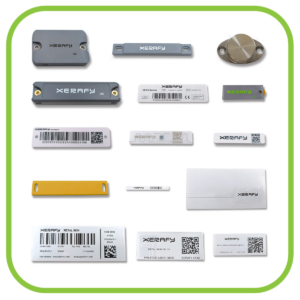
Xerafy designs and manufactures rugged RFID tags and custom constructions for demanding healthcare identification and traceability workflows. Its autoclavable RFID portfolio supports persistent identification of surgical trays, containers and cassettes across manufacturer facilities, field inventory, hospitals and repeated reprocessing.
Xerafy works with medical device manufacturers, loaner-management providers, system integrators and healthcare organizations to select and validate RFID tags and labels around the asset, mounting constraints, sterilization exposure, workflow read points and software environment.