Email Your Representative
Specialty RFID Labels and Inlays for Smart Product Identification
XSKIN is built for converters, service bureaus, OEMs, and end users that need engineered RFID labels for products, packaging, components, reusable assets, and sensitive workflows.
Each XSKIN labeling deployment combines RFID inlay design, label conversion, printing, encoding, serialization, and application testing to create a smart product identity that can support inventory visibility, UDI, DPP, logistics identification, process tracking, or lifecycle traceability.
For specialty projects, Xerafy can also support sample testing, read-performance validation, sterilization or process-exposure review, and production-readiness checks before scale-up.
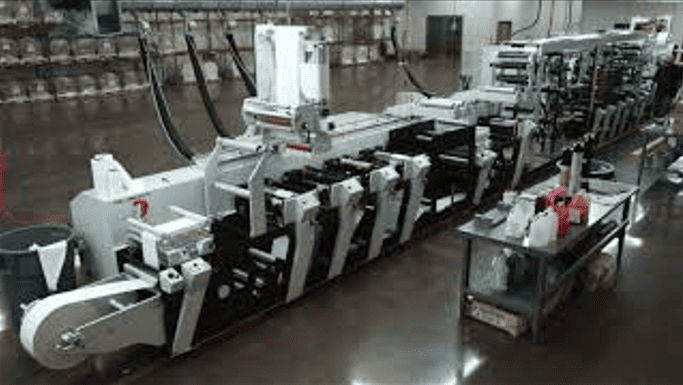
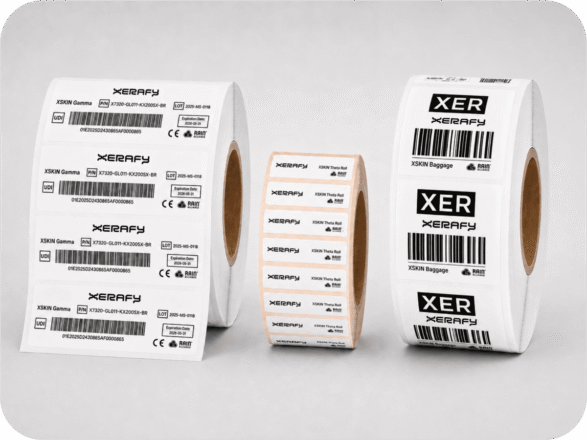
Depending on the use case, XSKIN labels and inlays can be supplied as wet inlays, dry inlays, finished labels, stickers, rolls, or sheets, with support for printing, encoding, serialization, conversion, and service-bureau deployment.
“These innovative labeling solutions help industry players reap the enormous benefits of EPC/RFID and make cost-effective tracking a reality.”
Use XSKIN when the RFID label must be engineered for the application – including requirements such as high-temperature process exposure, gamma or E-beam sterilization, baggage handling, liquid-sensitive environments, in-mold integration, custom attachment, or other specialty labeling challenges.
Designed with industry-leading companies, XSKIN is not a standard off-the-shelf label category. It is a specialty RFID labeling offer built around the right combination of Xerafy engineering, converter capability, and end-user deployment requirements.
XSKIN labels and inlays are built for high-volume RFID labeling projects where standard off-the-shelf labels cannot
meet the required process, material, encoding, conversion, or lifecycle requirements
Engineered for application-specific requirements such as high-temperature exposure, gamma and E-beam sterilization, baggage handling, liquid-sensitive environments, in-mold integration, custom attachment, and other demanding RFID labeling workflows
Configured for high-volume specialty labeling projects, including wet inlays, dry inlays, finished labels, stickers, rolls, sheets, face stock, adhesive, lamination, pitch, web width, core size, and delivery format
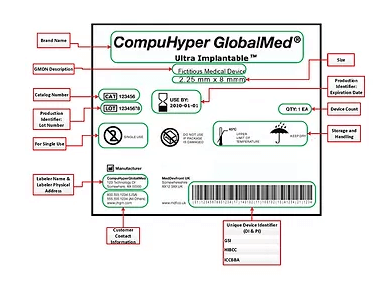
Supports EPC serialization, UDI workflows, DPP-related product identification, user memory, RFID mandate requirements, and product-level data for packaging, reusable assets, and lifecycle workflows
Designed to support project-specific printing, encoding, EPC serialization, barcodes, human-readable IDs, logos, and item-level data requirements
Adapted around the required chip, memory, antenna behavior, substrate, adhesive, face material, label size, durability layer, and read performance for each deployment
Built to support the workflow between Xerafy, converters, service bureaus, and end users, from inlay selection and label construction to printing, encoding, serialization, and deployment
XSKIN smart labels and inlays are selected by application requirement,
then configured around the customer’s product, process, surface, data model, label format, encoding workflow, and deployment scale

Irradiation Smart Labeling
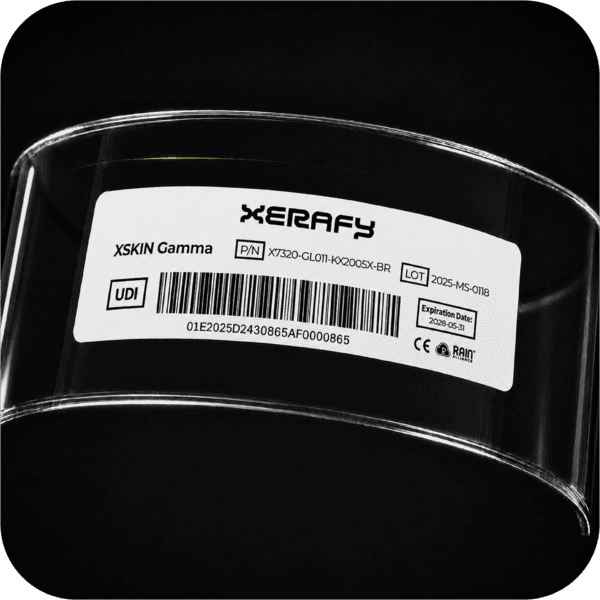
XSKIN Gamma is built for smart RFID labeling in medical device, healthcare, pharmaceutical, and sensitive product workflows that require gamma or E-beam sterilization resistance.
With 128-bit EPC memory and 1,312-bit user memory, XSKIN Gamma supports smart product identification, EPC serialization, UDI workflows, and detailed product or packaging data. Its 73×20 mm printable area supports human-readable IDs, branding, and label data, while wet and dry inlay formats make it suitable for high-volume label conversion and service-bureau deployment.
Hi-Temp Smart Labeling
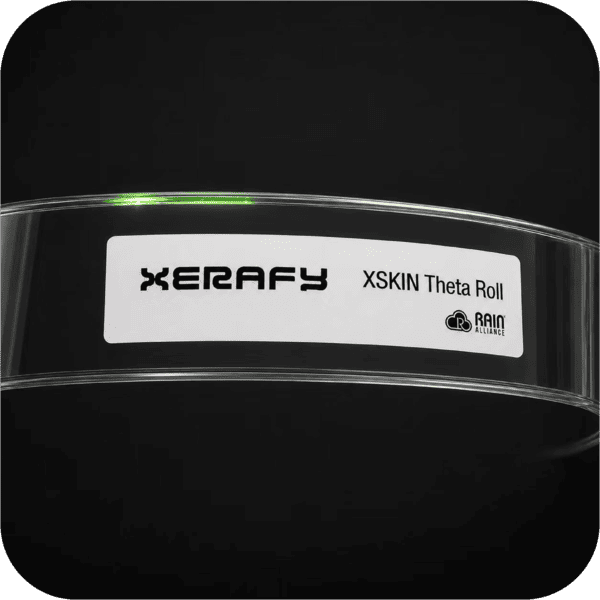
XSKIN Theta Roll is a high-temperature RFID labeling platform for products, components, packaging, and process assets exposed to demanding production conditions.
Supplied in printable roll format, XSKIN Theta can be configured around the required chip, size, label material, adhesive, printing, and encoding workflow. It supports smart product identification where standard RFID labels may fail and rugged hard tags are not practical for high-volume deployment.
Logistics Smart Labeling
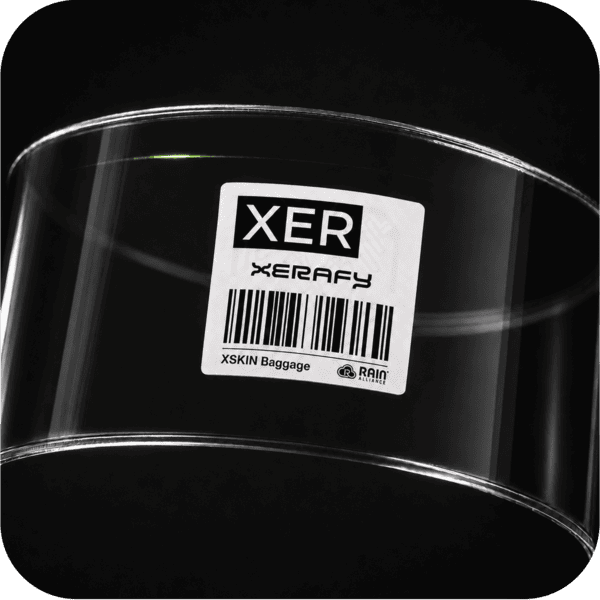
XSKIN Baggage is built for smart RFID labeling in baggage tracking, travel, airport, and logistics workflows that require compact, printable labels with reliable read performance across high-volume operations.
Its 50.8×50.8 mm format supports roll-based label production, while omni-directional RF performance helps identify baggage and non-metal logistics assets across different orientations. With passive RAIN RFID technology, EPC memory, user memory, and global frequency support, XSKIN Baggage is designed for scalable airport, travel, and logistics deployments.

XSKIN smart labels and inlays are configured around the product, process, surface,
data requirement, label construction, and deployment workflow.
Each project can combine Xerafy RFID engineering, converter capability, service-bureau execution,
and end-user validation to create the right smart label format for product identification at scale.
Support for wet inlays, dry inlays, finished labels, stickers, rolls, sheets, face stock, adhesive, lamination, pitch, web width, core size, and delivery format.
Use when the smart label must be converted around a specific product, package, material, application process, or production workflow.

Service-bureau and converter-ready printing for logos, product IDs, serial numbers, human-readable fields, 1D barcodes, QR codes, and application-specific label data.
Use when the RFID label must carry both machine-readable identity and visible product, compliance, or workflow information.

EPC serialization, chip encoding, user memory, item-level data structures, and print-and-encode workflows for scalable RFID deployment.
Use when the smart label must support product identification, UDI workflows, DPP-related identity, RFID mandates, logistics identification, or lifecycle traceability.

Custom label development for chip, memory, antenna behavior, size, substrate, adhesive, face material, durability layer, read performance, and specialty process requirements.
Use when standard RFID labels cannot meet the required surface, process exposure, data requirement, read environment, or deployment scale.
XSKIN specialty RFID labels and inlays support high-volume product, packaging, component, and workflow identification where standard RFID labels are not enough.
Use XSKIN for projects that require custom label engineering, conversion, printing, encoding, serialization, or specialty resistance in the final deployment environment.
XSKIN Gamma is built for RFID labeling in medical device, healthcare, pharmaceutical, and sensitive product workflows that require gamma or E-beam sterilization resistance. For regulated workflows, the final label specification, encoding model, and validation process should be confirmed against the customer’s quality and compliance requirements.
Typical applications include medical devices, healthcare consumables, sterile packaging, kits, trays, vials, samples, and product-level identification workflows that require UDI support, serialization, and high-volume label conversion.
Yes. XSKIN Gamma can be used as a gamma-resistant UDI smart label for products and packaging that require RFID identity before or after sterilization.
With 128-bit EPC memory and 1,312-bit user memory, XSKIN Gamma supports item-level identification, EPC serialization, UDI requirements, and detailed product or packaging data. The right encoding model should be defined before validation and production.
XSKIN Gamma is designed for gamma and E-beam sterilization workflows.
For EtO, autoclave, chemical disinfection, sanitization, pasteurization, or other sterilization and cleaning processes, label selection depends on exposure method, dose, temperature, humidity, chemicals, packaging, duration, and validation requirements.
Xerafy also offers durable RFID tagging solutions compatible with autoclave sterilization.
Contact Xerafy Engineering to confirm the right RFID label or tag option.
XSKIN Gamma is intended for non-metal and specialty labeling applications, including surfaces such as plastic, glass, wood, carton, and selected packaging materials.
Final performance depends on the surface, adhesive, label material, packaging, read distance, reader setup, and sterilization process. Xerafy recommends application testing before full deployment.
A custom XSKIN project starts by defining the application requirements: product or asset type, surface material, process exposure, label size, read range, data requirements, printing and encoding workflow, delivery format, deployment volume, and validation criteria.
Xerafy then helps define the right label platform, inlay format, chip, memory, adhesive, face material, roll format, engineering support, converter workflow, or service-bureau support required for the project.
No. XSKIN is a specialty smart label offer built around project-specific RFID labeling requirements.
Each deployment may require label engineering, conversion, printing, encoding, EPC serialization, service-bureau support, and application testing around the customer’s product, process, material, label format, surface, read environment, data requirement, and deployment scale.
XSKIN combines RFID inlay design, chip memory, EPC serialization, printing, encoding, label conversion, and application-specific validation to give products, packaging, components, and reusable assets a digital identity.
Depending on the application, that identity can support inventory visibility, UDI workflows, DPP-related product identification, RFID mandates, logistics identification, process tracking, authentication, or lifecycle traceability.
XSKIN can support specialty RFID labeling requirements such as high-temperature exposure, gamma and E-beam sterilization, baggage identification, smart product identification, DPP-related product identity, EPC serialization, custom label conversion, and service-bureau deployment.
For requirements involving liquids, pallets, NFC, ARC-related specifications, alternate chips, retailer RFID mandates, regulated workflows, or other specialty constraints, Xerafy can review the project through engineering qualification before confirming the final label construction and specifications.
Yes, depending on the product and project requirements.
XSKIN can support delivery formats such as wet inlays, dry inlays, finished labels, stickers, rolls, sheets, and other converter-ready or service-bureau formats. Project requirements may include face stock, adhesive, lamination, pitch, web width, core size, label size, printing, encoding, and serialization.
Yes, where the project requirements are clearly defined.
XSKIN can support smart RFID labels for retailer, customer, industry, or supply-chain RFID mandates that require item-level product identification, EPC serialization, specific label formats, print-and-encode workflows, or defined read performance.
Because RFID mandates vary by retailer, industry, region, product category, data standard, and encoding requirement, Xerafy recommends confirming the mandate requirements before selecting the label construction, chip, memory, format, encoding model, and validation process.
Yes. XSKIN can support RFID labeling for products, packaging, components, and reusable assets that need product-level identity across manufacturing, distribution, inventory, fulfillment, use, return, and lifecycle workflows.
For DPP-related projects, the label specification should define the required identifier, EPC structure, user memory, data model, surface, expected lifecycle, read points, system integration requirements, and how the RFID label connects to the product data system.
XSKIN Theta is designed for high-temperature RFID labeling in specialty process environments where standard labels may fail and rugged hard tags are not practical at scale.
Typical applications include products, components, packaging, work orders, carriers, molds, and process assets moving through manufacturing workflows such as curing, paint, autoclave, inspection, or other demanding production conditions.
XSKIN Baggage is designed for compact, printable RFID labeling in baggage, travel, airport, and logistics workflows.
Its label format supports high-volume identification of baggage and non-metal logistics assets where reliable read behavior, roll-based production, EPC serialization, and global deployment support are required.