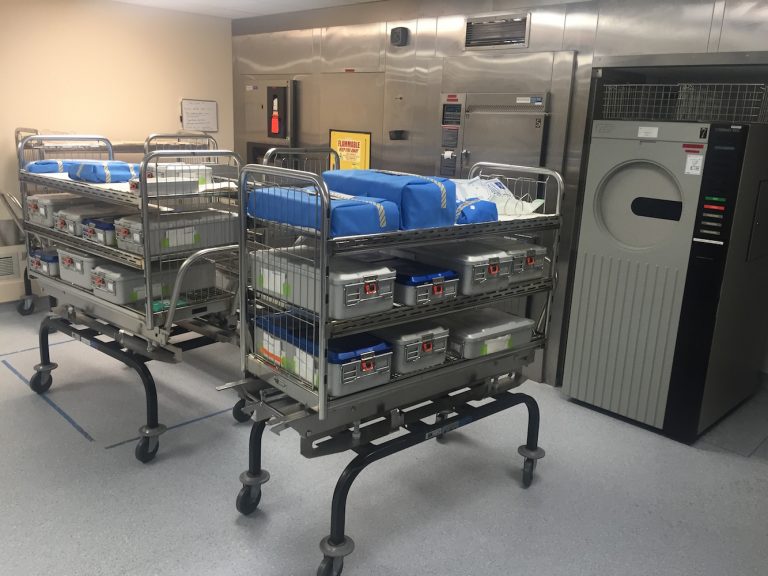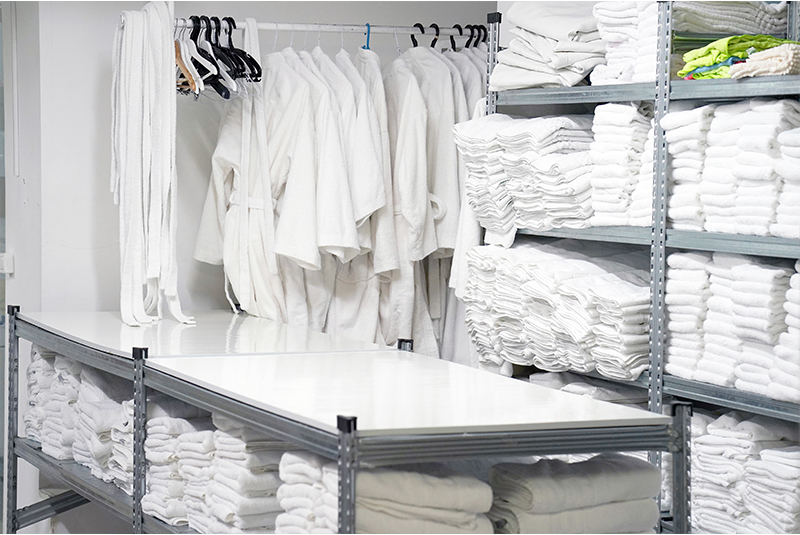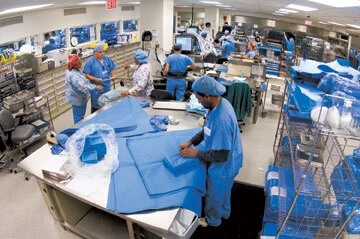
At the heart of every healthcare facility, there is a SPD/CSSD team that is on the frontline of patient safety day in and day out, to decontaminate instruments, assemble sets, sterilize equipment, prepare case cart systems for surgery, manage loaner instrumentation and devices.
Why Tray Visibility Matters in Hospital SPD
SPD teams follow controlled processes to decontaminate, inspect, assemble, sterilize, store and issue surgical trays while maintaining separation between contaminated and processed items. Missing trays, undocumented handoffs and delayed sets can disrupt reprocessing workflows and scheduled procedures.
Sterile processing tracking systems add a persistent digital identity at the tray or container level. Reads captured at defined workflow points help teams locate trays, document handoffs and review each set’s reprocessing history. RFID supports this traceability but does not validate sterilization parameters or confirm that a tray contains every required instrument.
At hospital scale, better surgical-tray reprocessing visibility can reduce manual searches and help SPD teams identify workflow bottlenecks before they affect tray availability.
How Sterile Processing Tracking Systems Support SPD Workflows
Sterile processing tracking systems associate each surgical tray or container with a unique RFID identity and record its movement at selected read points. When connected with SPD software, these read events can update the tray’s last-known location, workflow stage, sterilization-cycle association and handoff history.
RFID can capture trays at existing workflow transitions rather than creating a separate tracking process. Common read points include receiving, decontamination exit, assembly, sterilizer loading and unloading, sterile storage, issue and return.
This supports several operational requirements:
- Tray Status and Location: Identify the last recorded location and workflow stage of each tray or container.
- Reprocessing Documentation: Associate the correct tray identity with workflow handoffs and sterilization-cycle records.
- Maintenance History: Record when a tray or tagged device is removed for inspection, repair or maintenance.
- Loaner Tray Management: Coordinate the receiving, reprocessing, use and return of loaner trays and surgical sets.
- Workflow Analysis: Use timestamped read events to identify delays, queues and recurring bottlenecks.
The resulting record depends on validated tag placement, reader configuration, software integration and workflow rules. RFID documents identity and movement; it does not establish sterility, verify tray contents or replace the SPD’s procedural controls.
How to Evaluate RFID for Sterile Processing
A sterile-processing RFID evaluation should use representative trays, containers and workflow conditions rather than relying only on tag specifications.
Define the Tracking Level: Confirm which trays, containers or cassettes require a persistent identity and what status information the system must provide.
Map the Exposure Cycle: Document autoclave temperatures, cycle frequency, cleaning chemicals, washdown and handling conditions.
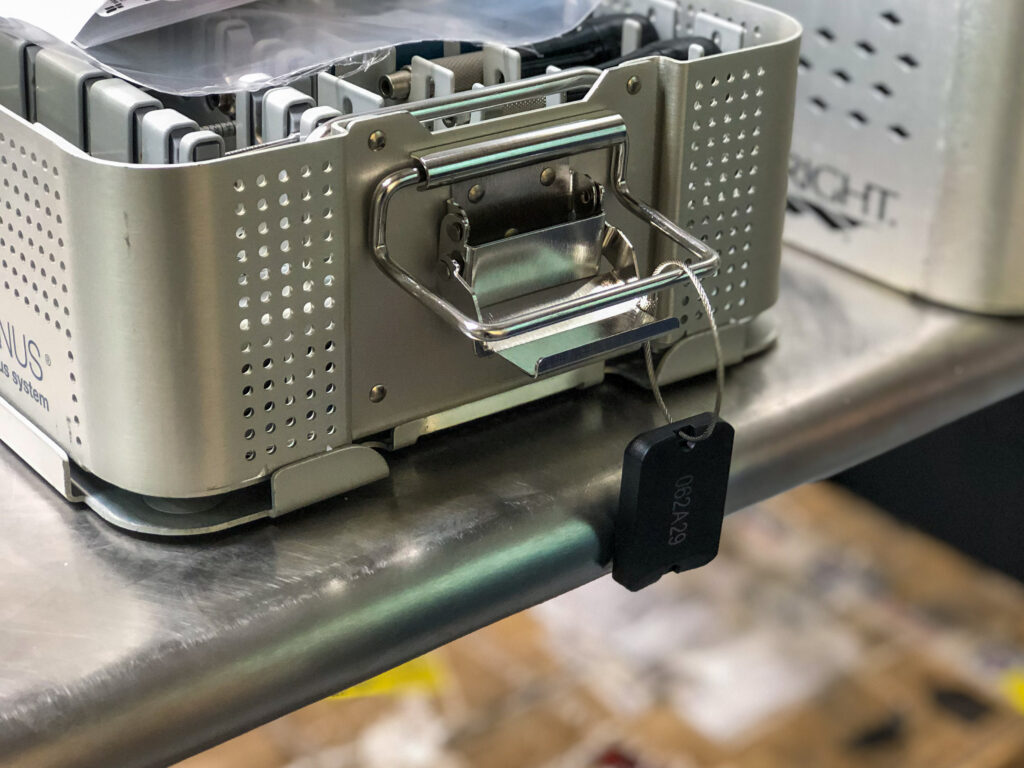
Confirm Tag Placement: Evaluate available mounting locations, tray geometry, metal interaction and the risk of tags being damaged or obstructed.
Design the Read Points: Identify where each workflow event should be captured and test orientation, loading conditions and reader placement at those read points.
Validate the Complete Workflow: Run tagged trays through repeated reprocessing cycles and confirm that each required event reaches the SPD software accurately.
Set Acceptance Criteria: Measure tag durability, read consistency, missed reads, unintended reads and successful association with the correct tray record.
Planning a sterile-processing tracking evaluation?
Start with the Healthcare RFID Test Pack to compare tag formats, mounting methods, autoclave durability and read performance on representative trays and containers. MICRO Autoclave provides compact tray-level identification, while ROSWELL Autoclavable is designed for ultra-rugged identification of trays, cases and containers.
Ask Xerafy’s engineers to review the tray material and geometry, reprocessing conditions, mounting constraints and proposed RFID read points.
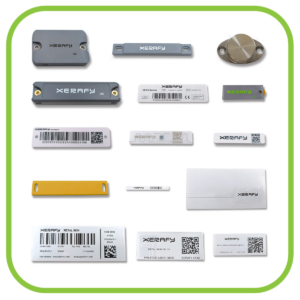
Xerafy designs and manufactures rugged RFID tags and custom constructions for demanding healthcare identification and traceability workflows. Its autoclavable RFID portfolio supports persistent tray-level identification through repeated sterilization, chemical cleaning, washdown and routine hospital handling.
Xerafy works with medical-device manufacturers, sterile-processing teams, system integrators and healthcare organizations to select and validate RFID tags and labels around the tray or container, mounting constraints, reprocessing conditions, software workflow and intended read environment.