Medical Device Identification
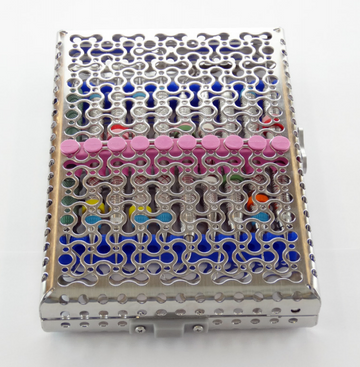
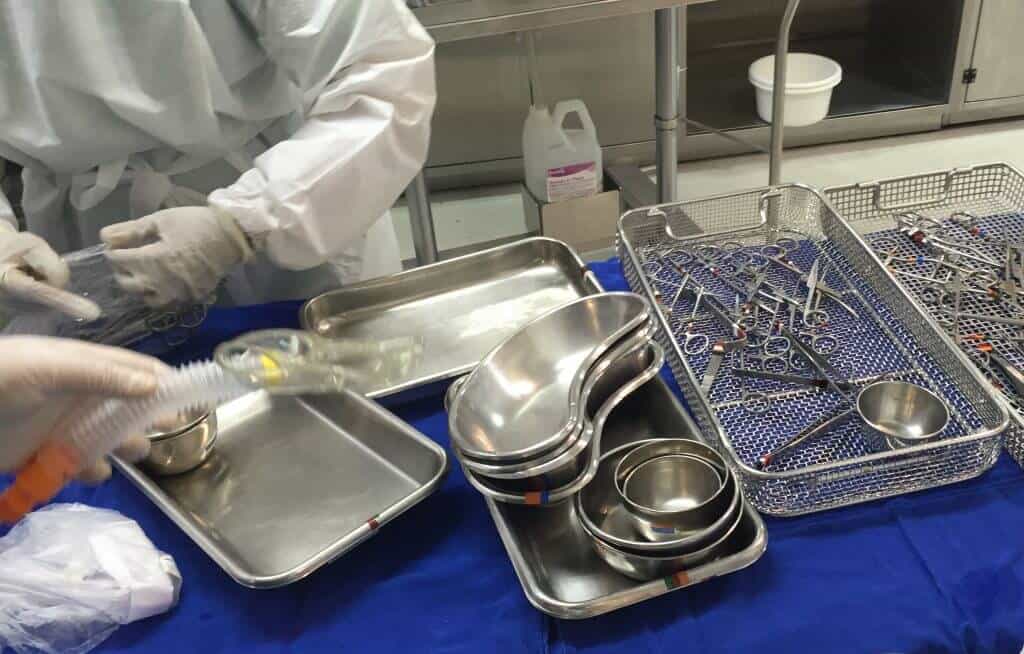
Medical device manufacturers and distributors manage high-value devices, implants, surgical sets and consigned inventory across distribution centers, field inventory, hospitals and sterile-processing workflows. RFID enables automated identification at the device, packaging, tray or container level, improving control over loaner systems and product traceability throughout the lifecycle.
Effective identification is especially important for loaner and consignment programs, where products repeatedly move between manufacturers, distributors and healthcare facilities:
- Limited Inventory Visibility: Manual records make it difficult to determine which devices and surgical sets are available, in transit, in use or awaiting reprocessing.
- Slow Reconciliation: Checking loaner sets before and after procedures requires significant manual effort and can delay their return to service.
- Loss and Misplacement: High-value devices, implants and surgical sets can be misplaced during transportation, processing or use.
- Traceability Requirements: Manufacturers need reliable identification to support UDI processes, recalls, maintenance records and chain-of-custody documentation.
- Demanding Operating Conditions: RFID identification must remain securely attached and readable through repeated handling, cleaning and sterilization processes.
Xerafy works with medical device manufacturers and specialized converters to engineer RFID identification around the device, workflow and exposure conditions:
- Appropriate Identification Level: Identify individual devices where practical, or use RFID-enabled packaging, trays and containers to manage complete sets and shipments.
- Sterilization-Ready Identification: Select RFID tags and attachment methods designed for repeated autoclave cycles, chemical cleaning and demanding healthcare environments.
- Device-Specific Integration: Adapt the tag or label construction, dimensions, placement and attachment to the device material and geometry.
- Automated Inventory Control: Improve the visibility and reconciliation of loaner sets, consigned inventory and reusable medical devices.
- Lifecycle Traceability: Connect each RFID identifier with UDI, maintenance, sterilization, distribution and usage records.
These capabilities help manufacturers and their partners improve control of loaner systems and consigned inventory while reducing dependence on manual identification and reconciliation.
Planning a medical device identification or loaner tracking project?
Start with the Healthcare RFID Test Pack to compare tag formats, attachment methods, sterilization compatibility, and read performance on representative devices, trays, and containers.
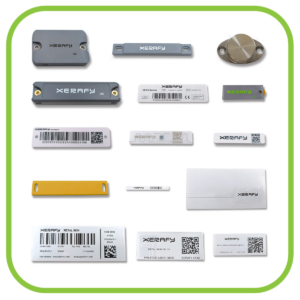
Relevant standard products include MICRO Medical and MICRO Autoclave and ROSWELL Autoclavable.
And ask Xerafy’s engineers to review the device or asset geometry, materials, sterilization process, mounting constraints, identification level, and required read points.
Sterilization-Ready Labeling & Packaging
Medical device manufacturers and distributors manage high-value devices, implants, surgical sets and consigned inventory across distribution centers, field inventory, hospitals and sterile-processing workflows. RFID enables automated identification at the device, packaging, tray or container level, improving control over loaner systems and product traceability throughout the lifecycle.

Medical device, pharmaceutical and healthcare products often require identification that remains readable before and after sterilization. RFID labels integrated into products and packaging can connect each item with production, sterilization, inventory and distribution records while enabling automated identification without line-of-sight scanning.
Sterilization-ready RFID labeling must address the complete product and packaging process:
- Sterilization Exposure: Gamma irradiation and E-beam, EtO, heat and chemical processes can affect the RFID chip, antenna, adhesive and label materials.
- Packaging Materials: Plastic, glass, liquids, metal and metallized packaging can change RFID performance and the optimal label placement.
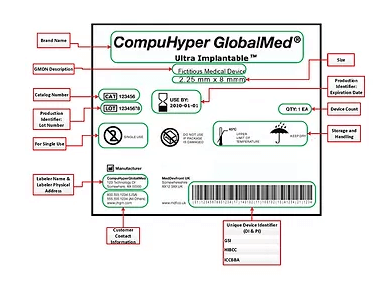
- UDI and Serialization: Printed identifiers, barcodes and encoded RFID data must remain accurately matched throughout production and distribution.
- Converting Requirements: Label dimensions, face stock, adhesive, lamination, pitch, web width and roll format must fit the converter’s production and application process.
- Performance Validation: Read performance and material integrity must be validated on the actual product or packaging before and after the intended sterilization exposure.
Xerafy works with medical device manufacturers, pharmaceutical companies, specialized converters and service bureaus to develop sterilization-ready RFID labeling:
- Process-Specific Label Selection: Match the RFID label construction to the sterilization method, dose, duration and environmental exposure.
- Application-Specific Engineering: Configure the antenna, chip, memory, substrate, adhesive, face material and protective layers around the product and packaging.
- Printing and Encoding: Support human-readable information, barcodes, Data Matrix codes, EPC serialization, user memory and UDI workflows.
- Converter-Ready Formats: Supply wet or dry inlays, finished labels, rolls or sheets configured for the required converting and application process.
- Production Validation: Test the label on representative products and packaging under the intended sterilization and RFID read conditions before scale-up.
Planning a sterilization-ready RFID labeling or packaging project?
Start with the Healthcare RFID Test Pack to compare label formats, application surfaces, sterilization exposure and read performance on representative products and packaging.
Relevant standard products include XSKIN Gamma for gamma and E-beam workflows and Metal Skin® labels for metallized packaging and device surfaces requiring on-metal performance. Explore the XSKIN specialty smart label series and Xerafy’s converter-ready RFID offerings for dry and wet inlays, finished labels, rolls, sheets and project-specific constructions.
And ask Xerafy’s engineers to review the packaging material, sterilization process, label construction, printing and encoding workflow, production format, and required read points.
Surgical Trays & Sterile Processing
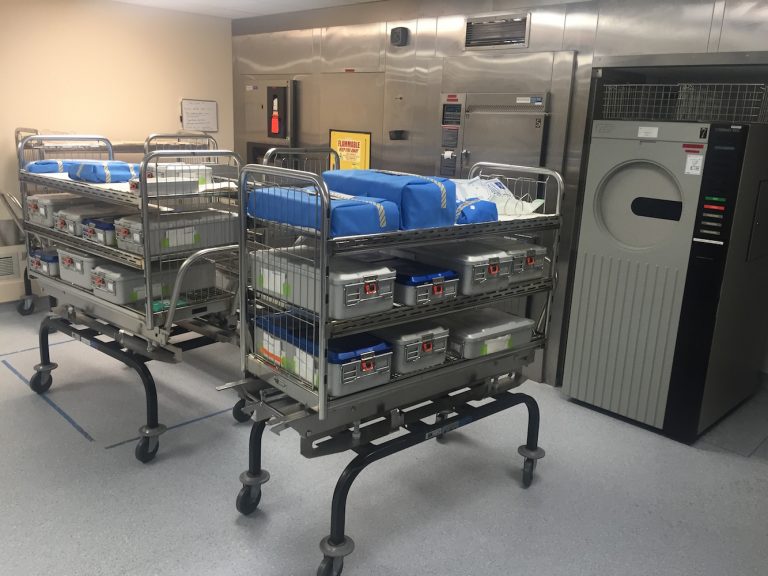
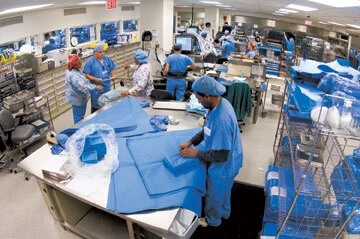
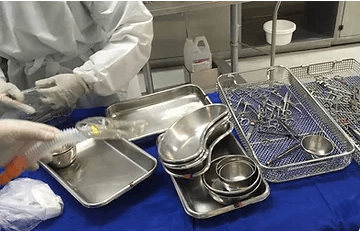
Sterile Processing Departments clean, inspect, assemble, sterilize, store and issue surgical trays and containers for healthcare procedures. Tray-level RFID gives each set a durable identity that can be captured at defined read points throughout reprocessing, supporting workflow visibility and a traceable sterilization history.
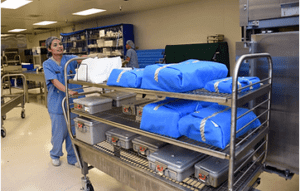
Effective surgical-tray management requires control across the complete sterile-processing workflow:
- Tray Status and Availability: Staff need to know whether a tray is awaiting cleaning, being assembled, sterilized, stored or ready for use.
- Reprocessing Documentation: Each sterilization cycle and workflow handoff must be accurately associated with the correct tray.
- Workflow Bottlenecks: Limited visibility can delay tray preparation, sterilization and release for scheduled procedures.
- Loaner Tray Handoffs: Trays entering from medical device manufacturers or distributors require coordinated receiving, reprocessing, use and return.
- Demanding Operating Conditions: RFID tags and mounting methods must withstand repeated autoclave cycles, chemical cleaning, high-pressure washdown and routine handling.
Xerafy supports sterile processing tracking systems with RFID tagging engineered for tray-level identification:
- Persistent Tray Identity: Assign a unique RFID identity to surgical trays, containers and cassettes throughout their service life.
- Autoclave-Ready Performance: Use RFID tags designed for repeated exposure to steam sterilization, cleaning chemicals and high temperatures.
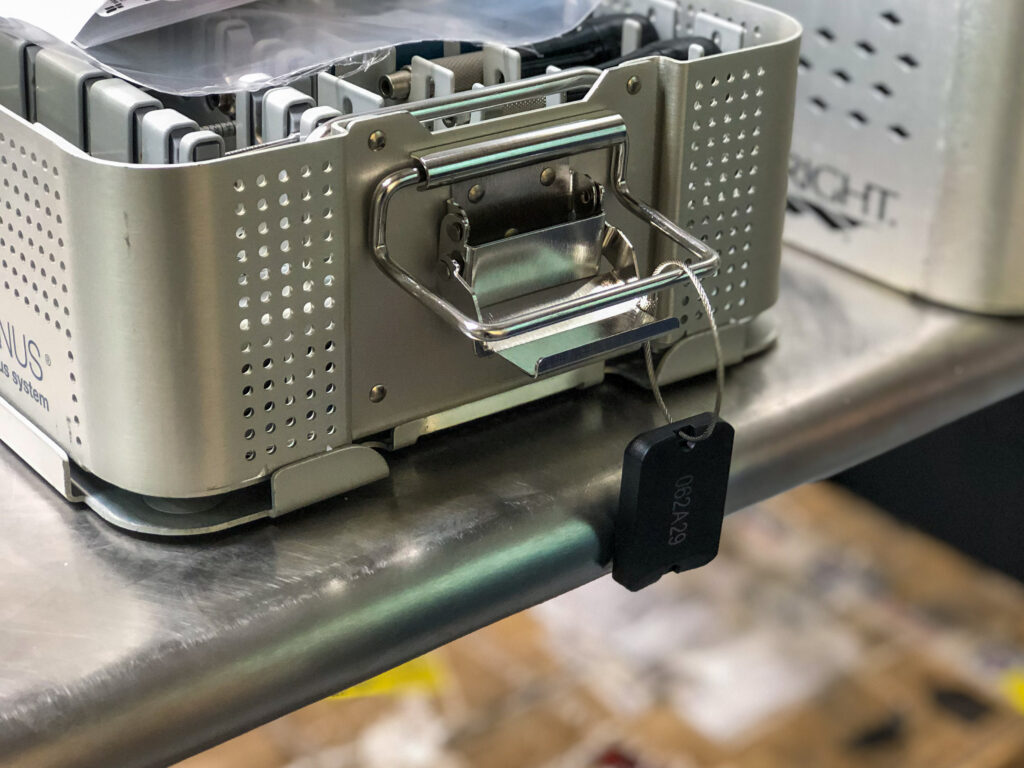
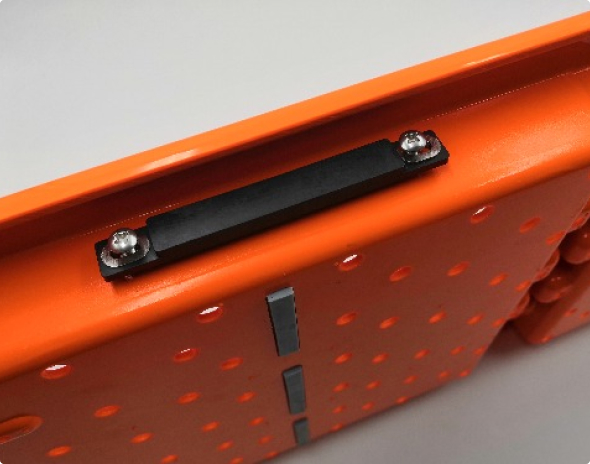
- Secure Attachment: Match the mounting method to the tray material, available holes, geometry and maintenance requirements.
- Validated Read Performance: Test tag position, orientation and reader placement at the intended workflow read points.
- System Integration: Connect each tag identity with sterile-processing, loaner-management or hospital inventory software to build the tray’s workflow and sterilization history.
RFID supports surgical-tray reprocessing at hospital scale and helps sterile-processing teams improve tray availability, document reprocessing and reduce manual searches and handoff gaps.
Planning a surgical-tray tracking or sterile-processing project?
Start with the Healthcare RFID Test Pack to compare tag formats, mounting methods, autoclave durability, orientation and read performance on representative trays and containers.
For repeated sterilization cycles, MICRO Autoclave provides compact tray-level identification, while ROSWELL Autoclavable delivers ultra-rugged identification for trays, cases and containers. For disposable or single-use items, the XSKIN Theta provides low-profile RFID identification options.
Ask Xerafy’s engineers to review the tray or item material and geometry, sterilization and cleaning cycles, mounting constraints, reader installation and required read points.
Hospital Equipment & Medical Inventory
Hospitals manage mobile clinical equipment, consumable medical supplies and high-turnover textiles across departments, storerooms, pharmacies and external service providers. RFID gives each asset or inventory item a unique digital identity that can be captured at defined read points, supporting faster inventory counts, improved availability and more reliable lifecycle records.
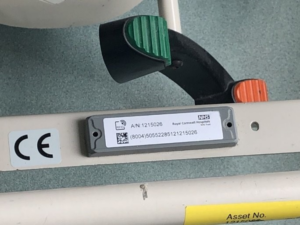
RFID supports three main hospital inventory areas:
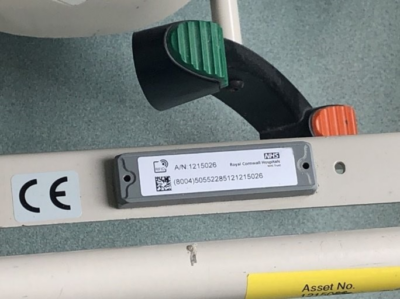
- Hospital Equipment: Track wheelchairs, hospital beds, infusion pumps, portable monitors, diagnostic devices and other mobile equipment across wards, storage areas and maintenance workflows. This helps staff maintain current or last-known location, equipment status and service history.
- Medical Supplies: Identify pharmacy inventory, kits, PPE, consumables, implants and consigned stock across warehouses, storerooms, smart cabinets and points of use. RFID supports automated counts, replenishment, expiry management and recall traceability.
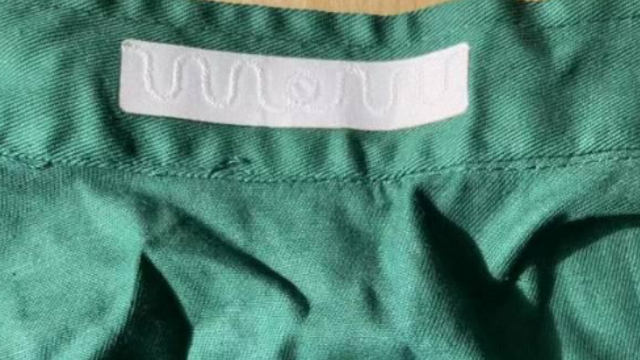
- Scrubs, Linens and Reusable Textiles: Track hospital scrubs, gowns, linens and other reusable textiles through issue, collection, laundering, redistribution and replacement. RFID supports inventory visibility, cycle counting and loss reduction.
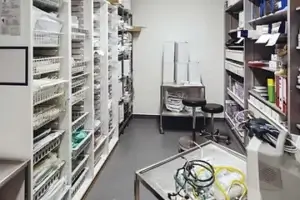
Across these workflows, hospitals must address mixed asset materials, varied form factors, high inventory volumes, repeated cleaning or laundry exposure, and different read environments.
Xerafy provides the RFID tagging and labeling layer required to identify this diverse inventory:
- Equipment-Specific Identification: Match durable hard tags or printable labels to metal, plastic, curved and space-constrained equipment surfaces.
- Scalable Supply Labeling: Select label and inlay formats suited to medical supplies, packaging, kits and consumable inventory.
- Washable Textile Tags: Integrate compact RFID tags into scrubs, gowns and linens for repeated laundry and sterilizing-heat cycles.
- Validated Read Performance: Test tag position, orientation, inventory density and reader placement at the intended cabinets, shelves, carts, portals or handheld read points.
- System Integration: Connect each RFID identity with hospital inventory, equipment-management, pharmacy, smart-cabinet or laundry software.
Planning a hospital equipment, medical supplies or textile inventory project?
Start with the Healthcare RFID Test Pack to compare tag and label formats, application surfaces, cleaning and laundry durability, attachment methods, inventory density and read performance on representative items.
Relevant standard products include TRAK and Metal Skin® for reusable equipment, XSKIN for specialty medical supplies and packaging, and TEX TRAK for scrubs, gowns and linens.
Ask Xerafy’s engineers to review the asset and inventory mix, surfaces, cleaning or laundry exposure, tagging constraints, system workflow and required read points.