Email Your Representative
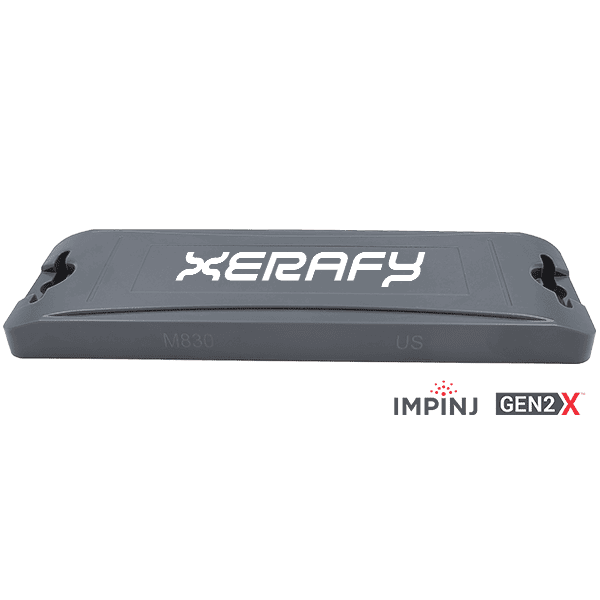
Durable RFID tags, printable labels, and encoding support for tracking RTIs, RTPs, pallets, totes, crates, bins, KLTs, containers, trailers, and shipment handoffs across logistics operations
Xerafy helps logistics, supply chain, and operations teams identify returnable transport packaging, reusable logistics assets, shipments, and transport equipment as they move between plants, warehouses, dock doors, yards, depots, customers, and return loops.
Logistics RFID projects start with the asset, the material, the read point, and the handoff. A tag used on a plastic tote or KLT does not face the same constraints as a tag mounted on a wood pallet, metal container, outdoor trailer, cargo asset, or serialized logistics label applied at source.
RFID can replace manual scans, paper records, and barcode-only checks with automated identification at key logistics points: staging, loading verification, dispatch, yard entry, yard exit, delivery, return, cleaning, maintenance, and reuse.
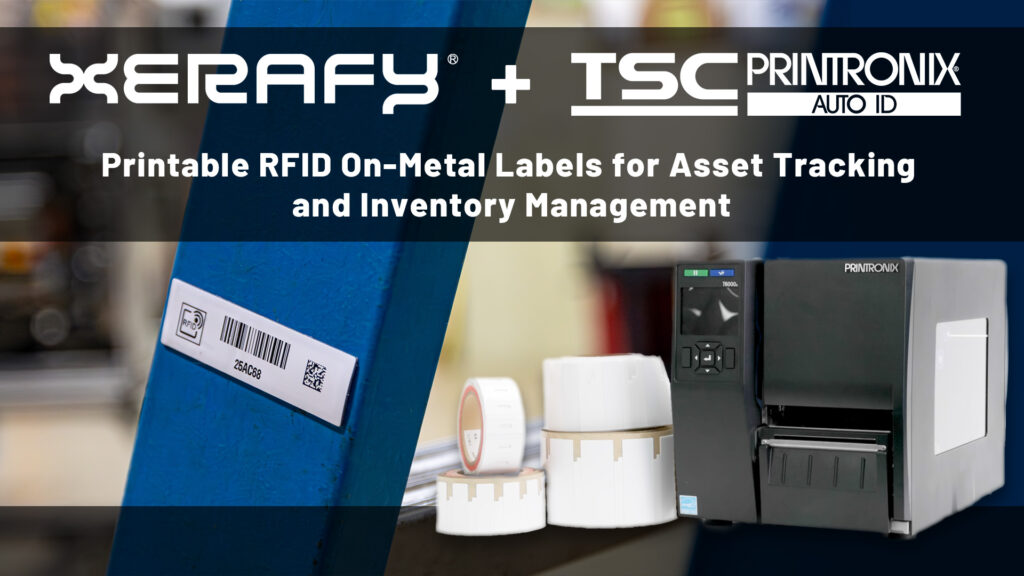
The right solution may be a durable RFID tag for a reusable asset, an outdoor long-range tag for yards and containers, a printable RFID label for logistics packaging, or a printing and encoding workflow for serialized RFID labels, barcodes, logos, and human-readable identification.

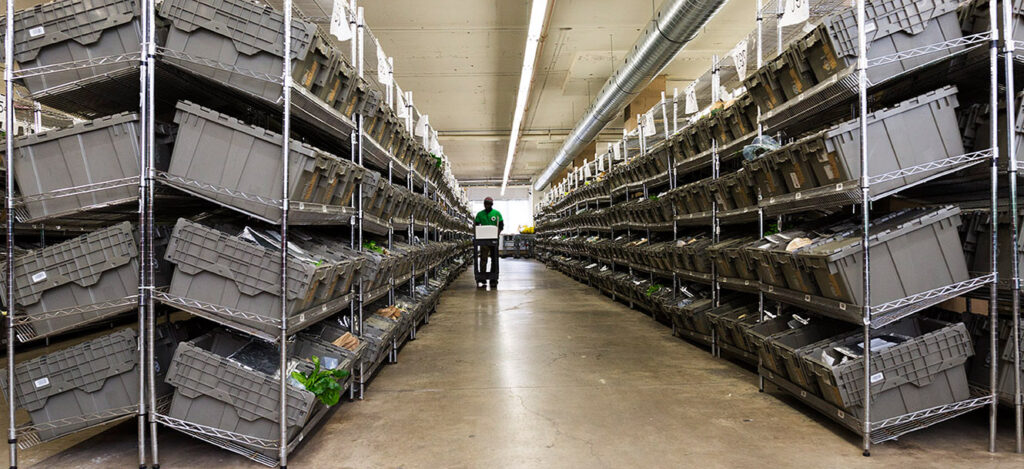
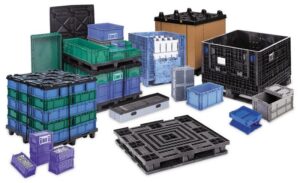
RFID can help logistics teams track RTIs and RTPs such as pallets, totes, crates, bins, KLTs, RPCs, dunnage, trays, carts, cages, drums, containers, and other reusable transport assets as they move between plants, warehouses, dock doors, depots, customers, and return loops.
The RFID tag must match the asset material, mounting location, read distance, handling cycle, cleaning process, and return-loop workflow. A tag used on a plastic tote does not face the same constraints as a tag mounted on a wood pallet, metal container, outdoor trailer, or reusable cargo asset.
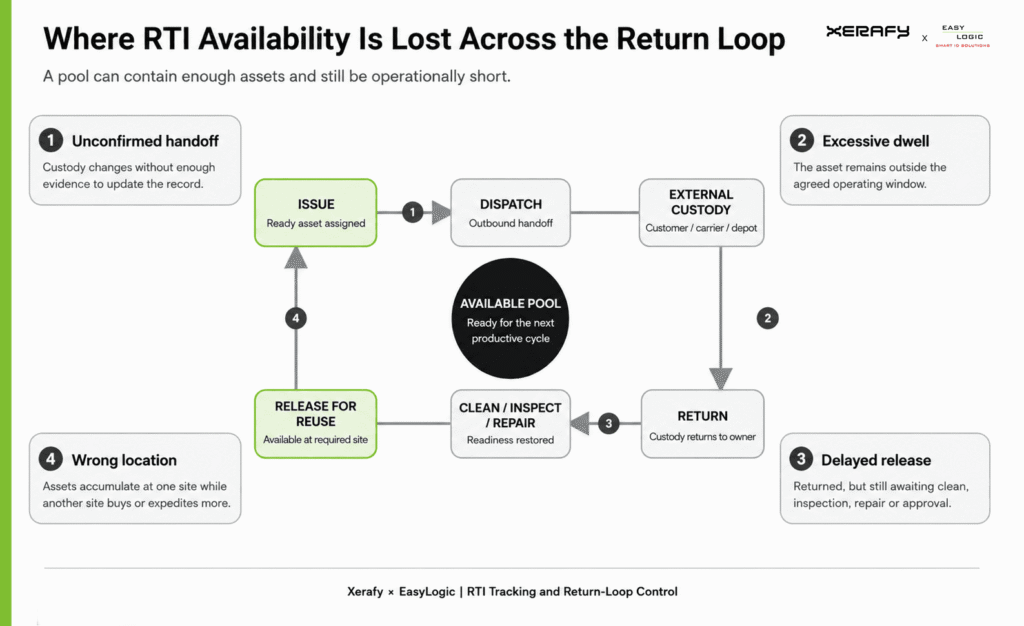
RFID-enabled RTI tracking can reduce manual barcode checks and improve visibility into asset location, return status, pool availability, dwell time, loss points, and reuse cycles.
Typical Xerafy fit:

RFID can reduce manual barcode checks by capturing shipment events at dock doors, loading bays, staging areas, dispatch points, portals, gates, and receiving areas. The goal is to reduce missed scans, misloads, incomplete shipments, incorrect dispatches, and manual reconciliation.
In logistics workflows, the RFID identifier may be attached to a pallet, carton, reusable tote, crate, container, delivery cage, shipping label, or returnable transport asset. When the shipment is staged, loaded, or received, RFID reads can help confirm whether the physical shipment matches the expected order, ASN, dispatch record, or delivery route.
Shipment verification is especially useful when assets or orders are split across multiple pallets, containers, trucks, or delivery movements. RFID events can support proof of dispatch, proof of receipt, exception handling, and handoff visibility across WMS, TMS, YMS, ERP, shipping, or delivery systems.
Typical Xerafy fit:
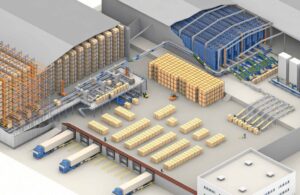
RFID can support gate-in, gate-out, yard entry, yard exit, trailer movement, container location, dwell-time visibility, dock assignment, loading sequence, dispatch verification, and asset handoff between yard, warehouse, transport, and depot operations.
In these workflows, RFID tags may be mounted on trailers, containers, trucks, cargo assets, outdoor logistics equipment, reusable transport assets, or yard-managed industrial assets. Reader placement at gates, dock doors, portals, lanes, or checkpoints determines what movement events can be captured.
Yard applications need to account for outdoor exposure, long read distances, metal surfaces, asset orientation, mounting method, vehicle speed, weather, impact, and whether the tag must remain readable through repeated handling and transport cycles.
Typical Xerafy fit:
RFID labels can combine EPC encoding, barcode, logo, human-readable ID, shipment reference, asset number, customer data, or supplier-applied identification in a format that works with existing shipping, warehouse, transport, and return-loop processes.
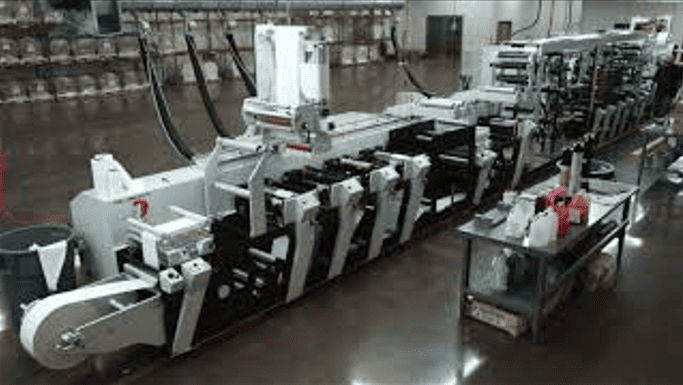
This is useful when logistics teams need high volumes of consistent labels, pre-encoded RFID tags, barcode + RFID identification, customer-specific serialization, or labels applied by suppliers, converters, partners, or service bureaus before goods move through dock doors, sorting, loading, dispatch, delivery, or return flows.
The label format should match the asset, surface, printer, encoding workflow, read point, barcode requirement, human-readable requirement, and expected handling conditions. A logistics label used on a carton or package does not face the same constraints as a durable label on a reusable pallet, tote, crate, KLT, container, or RTI.
Typical Xerafy fit:
Logistics RFID projects are validated around the asset, the handoff point, and the read environment: what is moving, where it is read, what the tag must survive, and how the data connects to logistics, yard, shipping, or return-loop systems. These examples show RFID used for outdoor logistics assets, container tracking, industrial labeling, source tagging, and specialized returnable asset workflows.
RFID can help logistics teams confirm that the right pallets, cartons, containers, RTIs, or transport units are staged, loaded, dispatched, or received at the right handoff point.
Automated reads at dock doors, loading bays, gates, portals, and receiving areas can reduce missed scans, manual barcode checks, misloads, incomplete shipments, and shipment reconciliation work.
RFID can help identify trailers, containers, trucks, yard assets, and transport equipment as they enter, move through, or leave the yard.
Gate-in, gate-out, dock assignment, dwell-time visibility, loading sequence, and dispatch verification can be captured with fewer manual checks and fewer delays at yard handoff points.
RFID can improve visibility into RTI and RTP pools by identifying where reusable assets are located, when they were dispatched, when they were returned, and whether they are available for reuse.
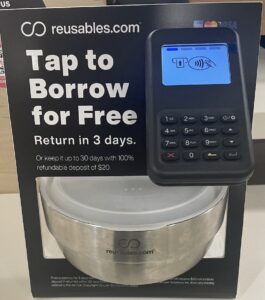
Tracking pallets, totes, crates, bins, KLTs, containers, carts, cages, and other returnable logistics assets can help reduce loss, improve return-loop visibility, and support better asset allocation across plants, warehouses, depots, customers, and return flows.
RFID labels can be printed, encoded, serialized, and applied before goods or returnable assets enter the logistics workflow.
Source tagging helps standardize barcode + RFID identification, human-readable IDs, shipment references, asset numbers, and customer-specific data across suppliers, converters, service bureaus, and logistics partners.
It depends on the asset material, mounting position, read distance, handling cycle, washdown or cleaning process, and whether the asset is used indoors, outdoors, or both.
Plastic and wood returnable assets such as pallets, totes, crates, bins, trays, and KLTs usually need durable RFID tags designed for repeated handling, impact, abrasion, moisture, and washdown or cleaning cycles. Metal containers, trailers, cargo assets, and yard equipment usually need rugged tags that can work on metal and survive outdoor exposure.
Printable RFID labels are a better fit when the requirement is source tagging, barcode + RFID, QR code, human-readable ID, serialized shipment labels, or supplier-applied logistics labels.
Yes, but the tag and read setup need to be matched to the yard workflow.
Outdoor logistics applications need to account for read distance, metal surfaces, tag orientation, mounting method, weather exposure, moisture, washdown, impact, vehicle movement, and reader placement at gates, lanes, portals, dock doors, or checkpoints.
Typical events include gate-in, gate-out, yard entry, yard exit, trailer movement, container location, dock assignment, dwell time, loading sequence, and dispatch verification.
RFID can confirm whether the right pallets, cartons, containers, RTIs, delivery cages, or transport units are staged, loaded, dispatched, or received at the right handoff point.
The read point matters. RFID may be used at dock doors, loading bays, portals, gates, staging areas, dispatch points, or receiving areas. The goal is to reduce missed scans, misloads, incomplete shipments, and manual reconciliation.
The RFID event can be matched against an order, ASN, shipment record, dispatch list, delivery route, or return record in WMS, TMS, YMS, ERP, shipping, or delivery systems.
RFID creates an event when a tag is read at a defined point in the workflow.
The tag ID is captured by a reader, filtered by RFID software or middleware, and passed to the relevant system. That system may be WMS, TMS, YMS, ERP, shipping software, delivery software, or a returnable-asset management platform.
The RFID tag usually does not need to store the full logistics record. It can carry an EPC, asset ID, shipment reference, or encoded identifier, while the system stores the status, location, timestamp, route, return cycle, or exception history.
Yes. RFID labels can be printed, encoded, serialized, and applied before goods, packages, pallets, cartons, RTIs, or reusable logistics assets enter the logistics flow.
A logistics label may include EPC encoding, barcode, QR code, logo, human-readable ID, shipment reference, asset number, customer data, or supplier-applied identification. For some projects, the encoding workflow also needs to define EPC, TID use, user memory, lock settings, and how the tag ID maps to WMS, TMS, YMS, ERP, shipping, or returnable-asset systems.
The label needs to match the surface, printer, encoding workflow, barcode requirement, read point, and expected handling conditions. A carton label does not have the same requirements as a durable label on a reusable pallet, tote, crate, KLT, container, or RTI.
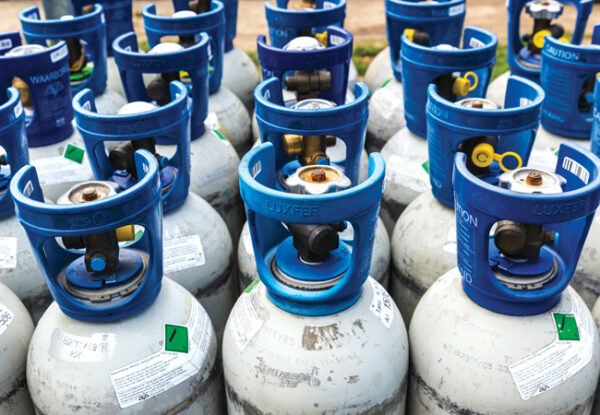
Cylinder RFID projects need to account for metal surfaces, rough handling, outdoor exposure, depot operations, filling lines, inspection records, safety requirements, and the required read environment.
The core workflow is usually cylinder identification, custody tracking, loss reduction, refill and return-cycle control, inspection or maintenance records, and visibility across filling plants, depots, trucks, customers, and return routes.
Before selecting a cylinder tag, the project should define the cylinder type, mounting method, read range, reader position, filling-line process, inspection workflow, ATEX or safety requirements, and integration with the cylinder-management or ERP system.
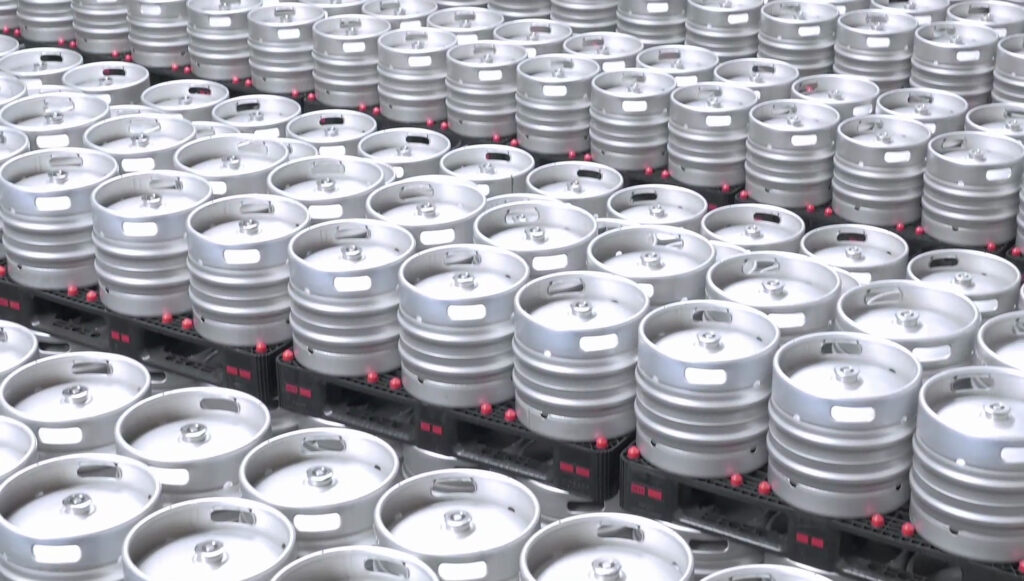
Keg RFID projects need to account for curved metal surfaces, repeated handling, industrial washing, moisture, temperature changes, stacking, transport, and the keg’s fill-return-clean-reuse cycle.
The keg tag should not interfere with stacking, branding, labeling, washing, or handling. Mounting may involve adhesive bonding, riveting, welding, or another method depending on the keg design and lifecycle requirements.
The RFID data model is usually tied to keg ID, fill events, return events, cleaning records, maintenance status, fleet utilization, loss control, and rental or deposit workflows.
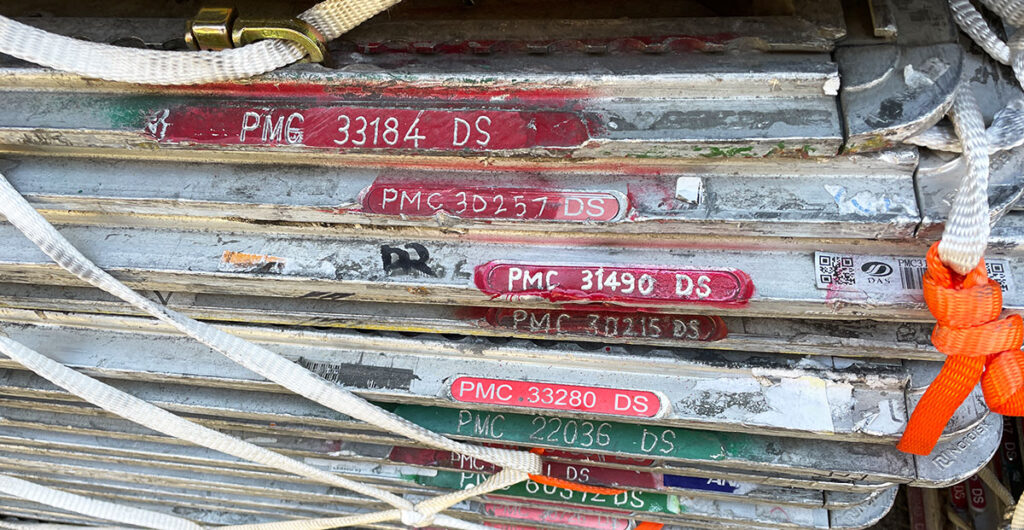
ULD tracking is usually about air-cargo custody, availability, serviceability, and return-loop visibility across airlines, freight forwarders, ground service providers, warehouses, aprons, loading areas, and return points.
The RFID setup needs to match the ULD material, mounting position, read point, handling process, and data model. Typical events include custody change, loading, unloading, recovery, return, inspection, availability, and serviceability.
Passive RFID is useful when the requirement is a battery-free identifier read at defined handoff points. If the requirement is continuous location, temperature, shock, or live condition monitoring, RFID may need to be combined with BLE, LTE, GPS, or sensing technologies.