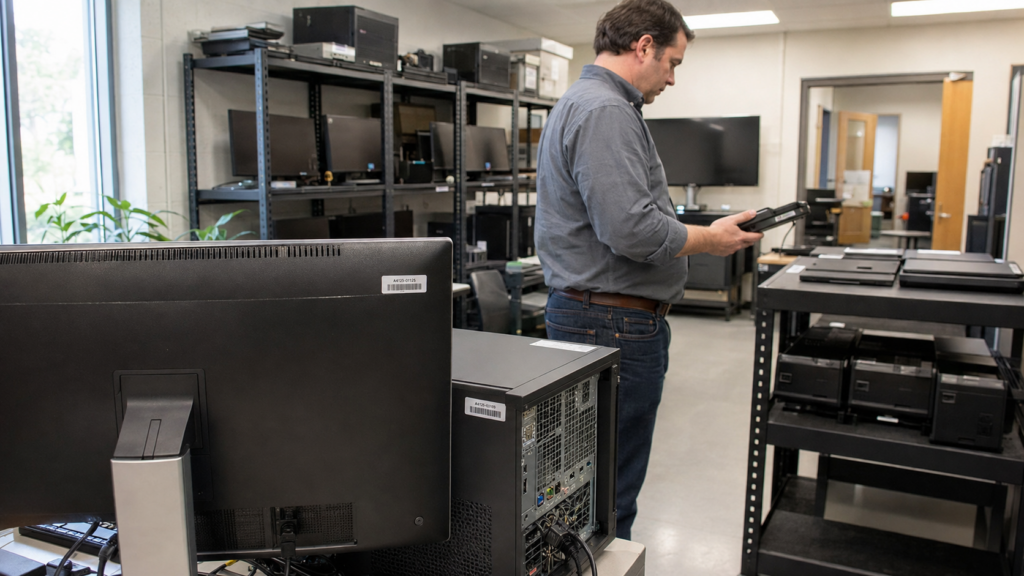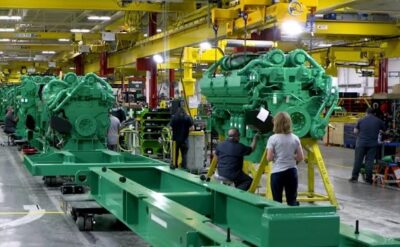
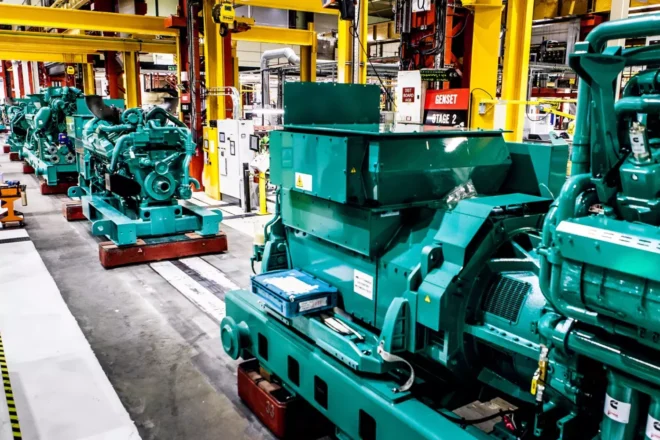
The UK site manufactures high-horsepower engines and generator sets configured to customer requirements. Its production and maintenance work depend on lifting gear, hand tools and specialist kits that must be available, fit for use and returned to controlled storage.
The company had already introduced an locker to automate tool issue and return. It later added a second smart RFID locker incorporating passive RAIN RFID, with Xerafy PICO tags applied to selected tools and lifting equipment. The RFID-enabled workflow recorded individual asset movements and connected them to the locker’s electronic audit trail.
When a user reported an item as damaged, the tool crib software could place the associated compartment out of service until the tool was repaired or replaced. RFID identified the tool; inspection and status decisions remained part of the maintenance workflow and software configuration.
Challenges: Manual Tool Issue, Return and Damage Control
The maintenance team needed to manage lifting gear, tools and specialist kits used in the assembly of high-horsepower engines and generator sets. Manual lending and return processes made it difficult to maintain an efficient and complete record of equipment usage.
Three operational gaps drove the project:
Time-consuming transactions: Manual issue and return required additional handling and slowed access to equipment.
Incomplete accountability: The existing process did not provide a comprehensive electronic audit trail showing which user had taken or returned each item.
Limited damage-status control: Damaged equipment could be reported, but there was no fast, systematic way to prevent it from returning to circulation before repair or replacement.
The requirement extended beyond knowing what was stored in each locker. The maintenance team needed to connect every controlled item with its issue and return history, current availability and recorded service status.
Solution: RFID-Enabled Smart Lockers for Individual Tool Control
The OEM introduced a second intelligent locker incorporating passive RAIN RFID. The unit replicated the established locker workflow while adding automatic identification for tagged lifting gear, tools and kits.
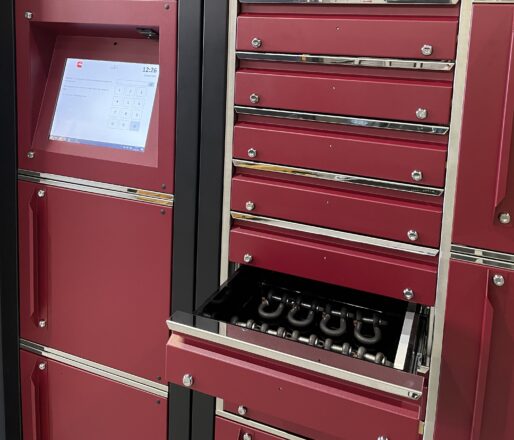
The locker included nine large compartments and eight smaller drawers to accommodate different equipment sizes. Selected assets were fitted with Xerafy compact PICO RFID tags so each item could be identified individually as it was removed from or returned to the controlled storage system.
The configured workflow supported:
Authenticated access: A card reader connected each locker interaction with an authorized user.
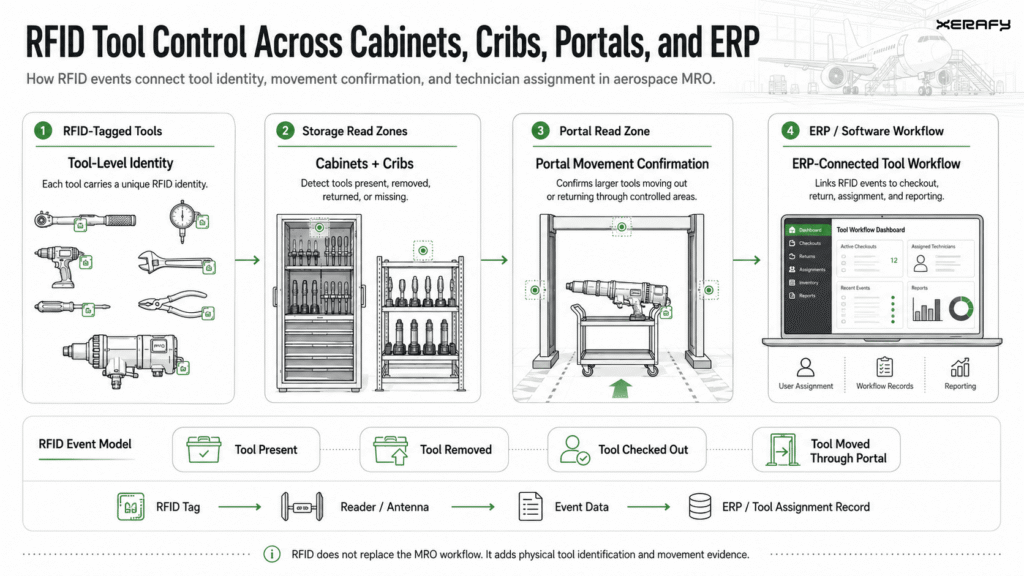
Individual issue and return records: RFID reads updated the corresponding asset transactions in the management software.
Advance booking: Technicians could reserve required tools or kits before collection.
Asset comments and status records: Users could record relevant information against an individual tool.
Remote software access: A 4G connection provided access to the locker-management application.
Control of reported damaged equipment: When an item was recorded as damaged, the associated compartment could be placed out of service until repair or replacement was completed.
RFID provided the identity of each tagged asset; it did not determine whether a tool was damaged or fit for use. Inspection findings and equipment status were recorded through the maintenance process, while the locker software applied the configured availability rules.
RFID Tag Selection for Tools and Lifting Equipment
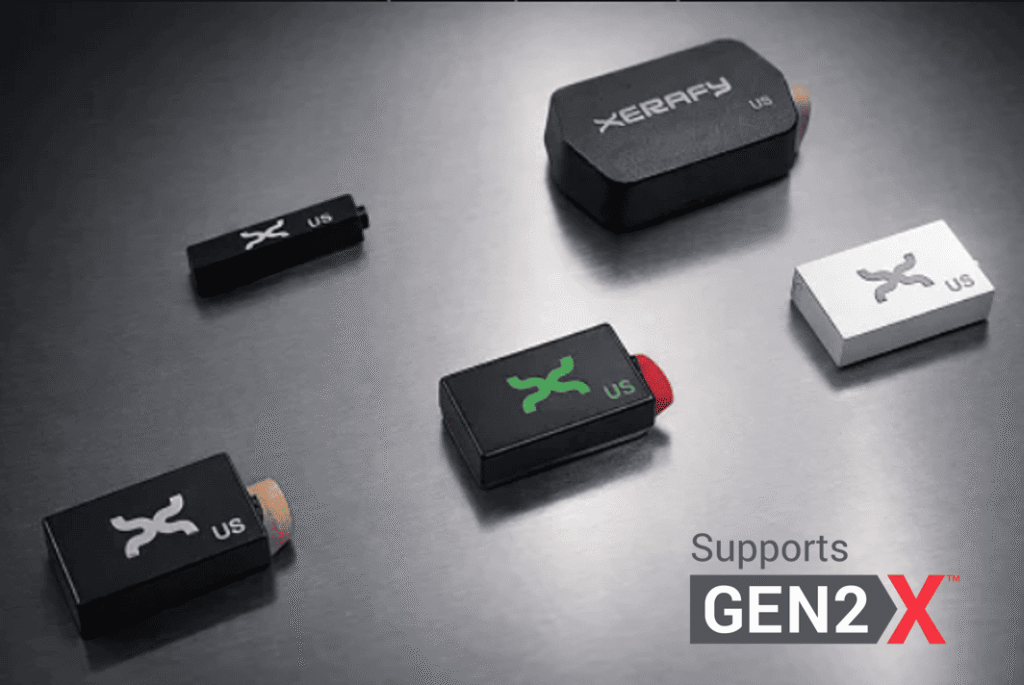
The deployment used compact Xerafy PICO Series RFID tags to give selected tools and lifting equipment a unique machine-readable identity. The tag identifier was linked to the corresponding asset record so the locker system could record issue and return events for individual items.
The exact tag and attachment method required for another smart-locker deployment will depend on the asset material, geometry, available mounting area, handling and inspection requirements. Starting points for a mixed tool population include:
Small metal tools and shackles: Evaluate a compact on-metal PICO or XS Series tag positioned away from grips, contact surfaces and repeated impact.
Metal assets with an approved recess: XS Wedge or PICO In can provide a more protected embedded configuration where machining or modification has been approved.
Power tools and larger equipment: PICO Plus or MICRO Power can provide a larger rugged form factor and additional read-performance options.
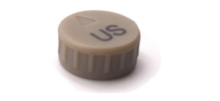
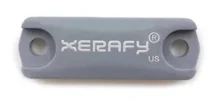

- Harnesses and slings: An approved fob, cable attachment or engineered carrier can provide identification without modifying load-bearing fibres or interfering with inspection markings.
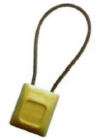
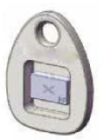
These are evaluation starting points, not confirmation that every listed product was used in this deployment. Candidate configurations should be tested on representative assets using the intended attachment method and locker reader. Testing should include different storage positions, orientations and a fully loaded locker to confirm consistent identification without unintended reads.
Any permanent modification to lifting equipment, calibrated tools or safety-critical assets should be approved by the equipment manufacturer or responsible engineer. For guidance on RFID tag formats and attachment methods for shackles, slings, master links and other lifting assets, see RFID for Rigging and Lifting Equipment. More detailed tool-tagging guidance is available in RFID Tool Tracking for MRO.
Results: Electronic Audit Trail and Controlled Tool Availability
The RFID-enabled locker added item-level identification to an established tool issue and return workflow:
Individual asset records: Each tagged tool or item of lifting equipment could be associated with its own issue and return transactions.
Stronger accountability: Card-based user authentication and an electronic transaction history provided a clearer record of equipment usage.
Improved inventory control: The maintenance team gained a more structured view of which controlled items had been removed or returned.
Damage-status enforcement: Equipment reported as damaged could be linked to a restricted locker compartment until repair or replacement was completed.
Phased deployment: The company added RFID through a second intelligent locker after operating its initial non-RFID system, allowing the workflow to evolve from automated access to individual asset identification.
How to Evaluate RFID for Smart Tool Lockers
- Start with the actual tool and lifting-equipment population rather than the locker specification alone. Group assets by material, size, geometry, handling and available mounting area, then test representative RFID tags in approved positions using the intended attachment method.
- Read performance should be validated inside the selected locker with compartments and drawers fully loaded. Test different asset orientations and storage positions, check for missed and unintended reads, and confirm that each identification event produces the correct issue, return, custody or status update in the software.
For lifting equipment and other safety-critical assets, tag placement must not alter load-bearing surfaces, obstruct inspection markings or interfere with use. Any embedding, drilling or permanent modification should be approved by the equipment manufacturer or responsible engineer.
See RFID Tool Tracking for MRO for detailed tag-selection guidance, RFID Smart Cabinets for Tool Management for system-level considerations, and the Tool Crib Software Guide for software and integration requirements.
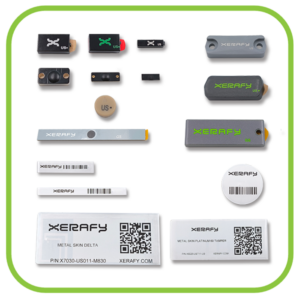
Xerafy develops field-proven RFID tags and labels for tracking assets in demanding industrial and enterprise environments. Its portfolio combines application-specific RFID engineering with products available for evaluation and deployment worldwide.
For requirements beyond standard products, Xerafy provides Custom RFID Tag services spanning printing, encoding, serialization and production configuration through to custom product engineering.