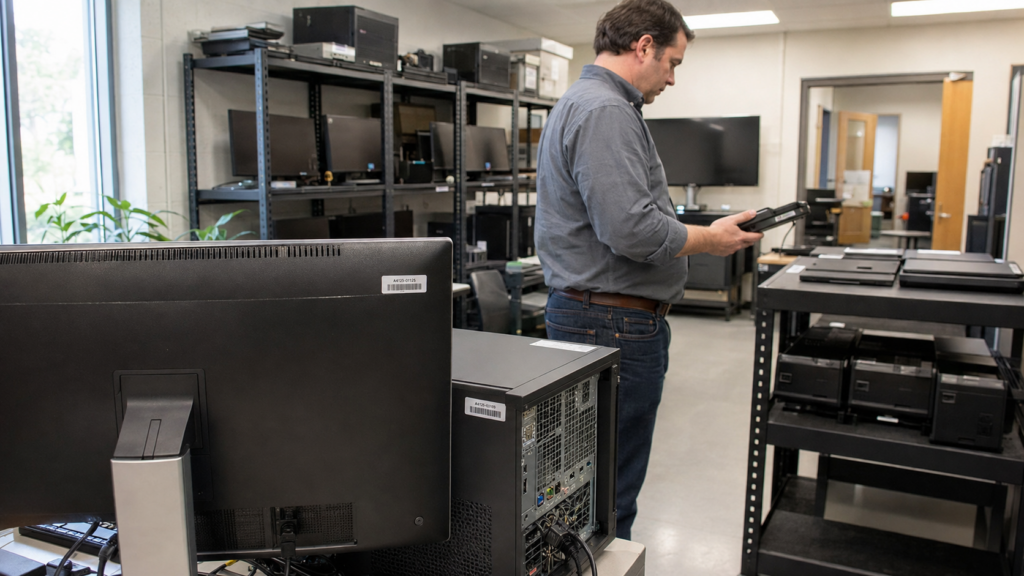
One of the largest US universities needed better visibility and accountability for IT assets distributed across buildings, departments, and affiliated locations. The program covered PCs, laptops, TVs, monitors, and other IT equipment.
The institution implemented a passive UHF RFID workflow that combined printable labels, mobile readers, location-based printing, tag association, inventory software, and integration with its financial asset system. Xerafy Metal Skin® Platinum was selected as the primary printable label for both on- and off-metal applications.
At this scale, reliable RFID requires more than tag performance. The institution needed a consistent label standard for different asset surfaces, a controlled retagging process, clear departmental responsibilities, and daily synchronization between physical inventory and enterprise records.
Prepared by Xerafy, this case study documents a real IT asset deployment using Metal Skin® Platinum, covering label selection, building-by-building retagging, and integration with enterprise asset records. Customer and partner names and confidential project details have been withheld.
Why Physical RFID Matters for IT Asset Visibility
Across a large higher education institution, IT equipment can be assigned to many departments, rooms, and buildings, while financial and property records must still reflect its physical location. Shared facilities serving multiple research groups and departments add another layer of accountability. During the first inventory pass, the team logged assets that could not be tagged or were found in unexpected locations, then created exception lists for follow-up certification. The objective was not simply to identify assets, but to reconcile physical equipment, locations, and accountable records.
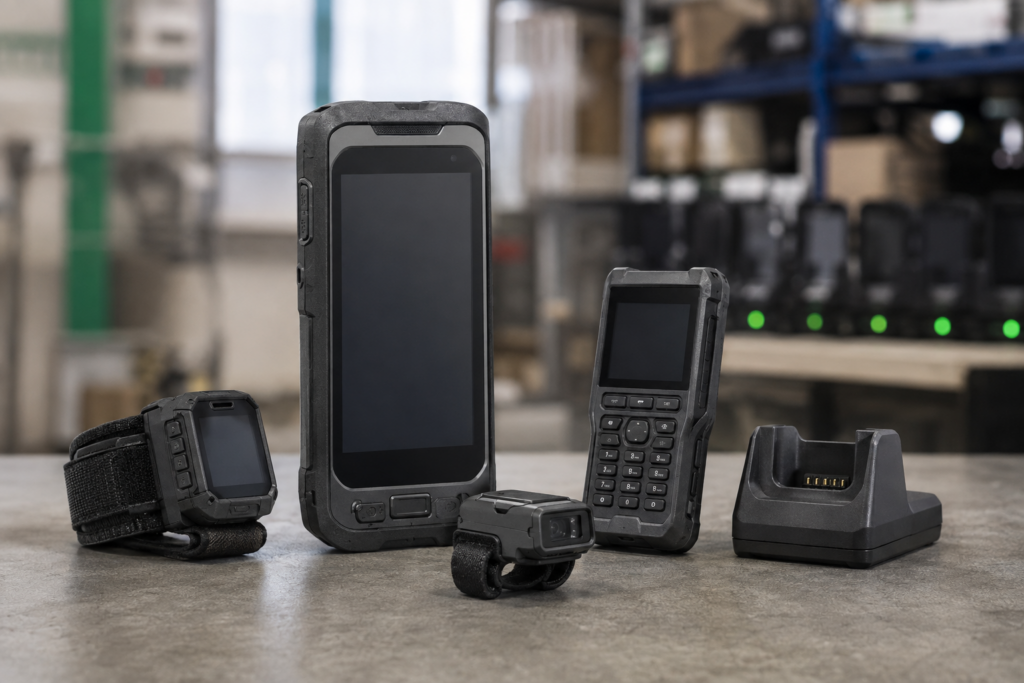
RFID added a physical identification layer to the institution’s existing records. Mobile readers supported asset creation, tag association, and inventory, while the software linked each inventory action to a room or other fixed location.
Asset and location data then moved between the RFID platform and the institution’s financial system, making each label part of an ongoing accountability process rather than a standalone identifier.
Standardizing on Metal Skin Platinum Across Different Surfaces
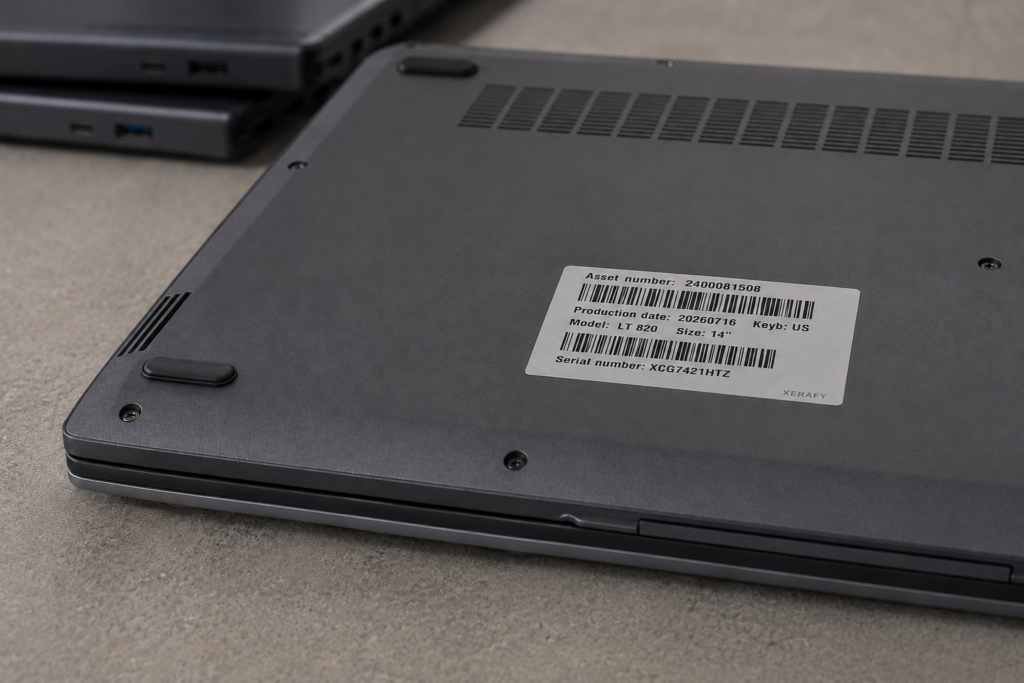
The program standardized on Metal Skin® Platinum as its primary printable RFID label and ordered tens of thousands of units. The selected 58.5 × 19 × 1 mm format supported both on- and off-metal applications. Its printable face provided a consistent visible identifier, while its on-metal construction enabled reliable placement on metal and metalized equipment surfaces.
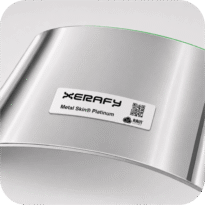
Using one primary format simplified printing, application, and inventory across varied assets. For equipment that required a smaller footprint or different attachment method, the rollout retained a separate tag format used primarily for IT equipment. This controlled exception path avoided forcing one label onto every asset.
The result was a practical standard: one primary label for most approved asset and placement combinations, with defined alternatives for exceptions. Each combination of surface material, available label area, attachment method, handling conditions, and read workflow still required validation on representative assets.
A Building-by-Building Retagging Method
The team organized the rollout as an operational program, not simply a one-time labeling exercise.
- Establish the retagging plan by building and department.
- Notify departments in advance and explain the process, timeline, training, and responsibilities.
- Print tags by location so the label and location record are aligned from the start.
- Complete a quick first pass, recording assets that could not be tagged or were not where expected.
- Convert those logs into exception lists for a second pass and physical certification.
- Use mobile readers for asset creation, tag association, and inventory.
This two-phase method kept routine tagging moving while unresolved assets were handled separately, creating a clear path from initial inventory to physical certification.
Results: From Retagging to Daily Record Synchronization
After retagging, a major data load produced tens of thousands of updates to asset and room records. The ongoing integration sends daily update files from the financial asset system to the RFID platform and returns current room and asset-location data.
The two-phase process also created a controlled path for exceptions. Assets that could not be tagged or were found in unexpected locations during the first pass were logged, converted into exception lists, and carried forward for follow-up and physical certification.
The result is a repeatable workflow that connects physical inventory, mobile RFID operations, and enterprise asset records across buildings and departments. Daily synchronization helps keep room and asset-location data aligned after the initial retagging work.
Takeaways for Large-Scale IT Asset Programs
- Use one primary label with controlled exceptions. Metal Skin® Platinum covered the main printable on- and off-metal requirement, while a separate format handled assets with more constrained placement or attachment needs.
- Treat communication as part of deployment planning. Departments needed advance notice of timing, process, and responsibilities.
- Control printing, placement, and exceptions. Location-based printing, a fast first pass, and exception logs made the rollout repeatable and ready for physical certification.
- Connect physical reads to the system of record. Daily data exchange kept asset and room information aligned after the initial retagging.
- Validate application usability as well as RF performance. Consistent placement and label straightness became practical deployment requirements.
For new equipment, applying serialized RFID labels before delivery can move tagging into the supplier’s device-preparation process and reduce application work at receiving sites.
Evaluating RFID Labels for Enterprise IT Assets
For organizations evaluating RFID labels for laptops, monitors, PCs, and other enterprise IT equipment, selection should start with the actual placement surface, available label area, printing requirements, attachment conditions, and inventory workflow.
Discuss an enterprise IT asset tagging program with Xerafy engineers.
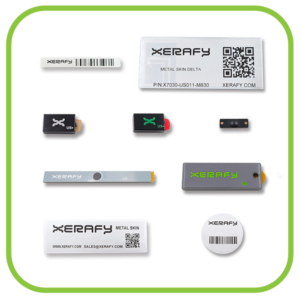
Xerafy develops field-proven RFID tags and labels for tracking assets in demanding industrial and enterprise environments. Its portfolio combines application-specific RFID engineering with products available for evaluation and deployment worldwide.
For requirements beyond standard products, Xerafy provides Custom RFID Tag services spanning printing, encoding, serialization and production configuration through to custom product engineering.