Challenge: Locating High-Value Laboratory and Calibration Equipment
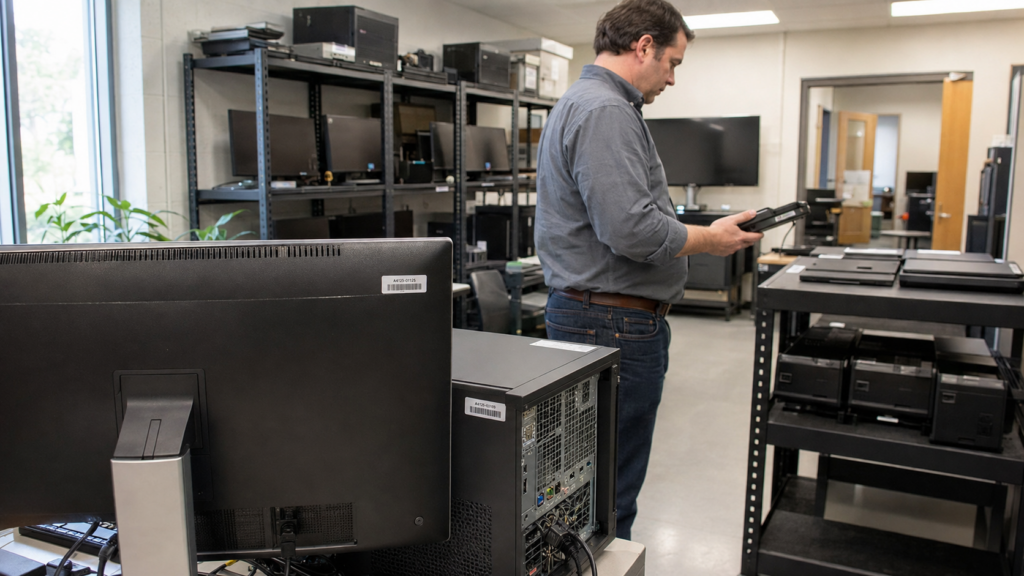
Applied Materials’ Metal Deposition Products group relied on targets, electrostatic chucks, power supplies, chillers and other specialized equipment to develop and test semiconductor-manufacturing systems. Individual equipment could be worth tens of thousands or even millions of dollars.
Teams needed to know what equipment was available and where it had last been identified. Test and measurement equipment also had to be located when inspection or calibration was due, while reusable semiconductor targets needed to be recovered rather than unnecessarily replaced.
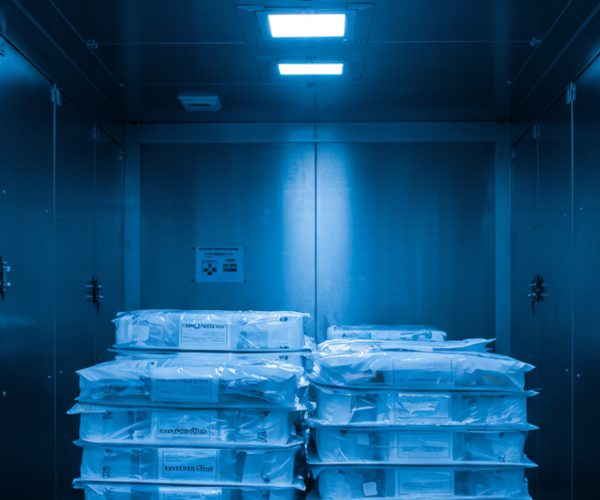
The laboratory also handled boxes containing customer wafers and valuable intellectual property. Applied Materials therefore needed closer control of selected customer materials without confusing passive RFID identification with continuous real-time location.
The environment added further constraints. Plasma-based processes generated RF noise, and tagged wafer boxes could not enter the cleanroom. The solution needed to account for the actual assets, RF environment and operational boundaries of the laboratory.
Solution: Passive RFID for Equipment Identification and RTLS for Critical Items
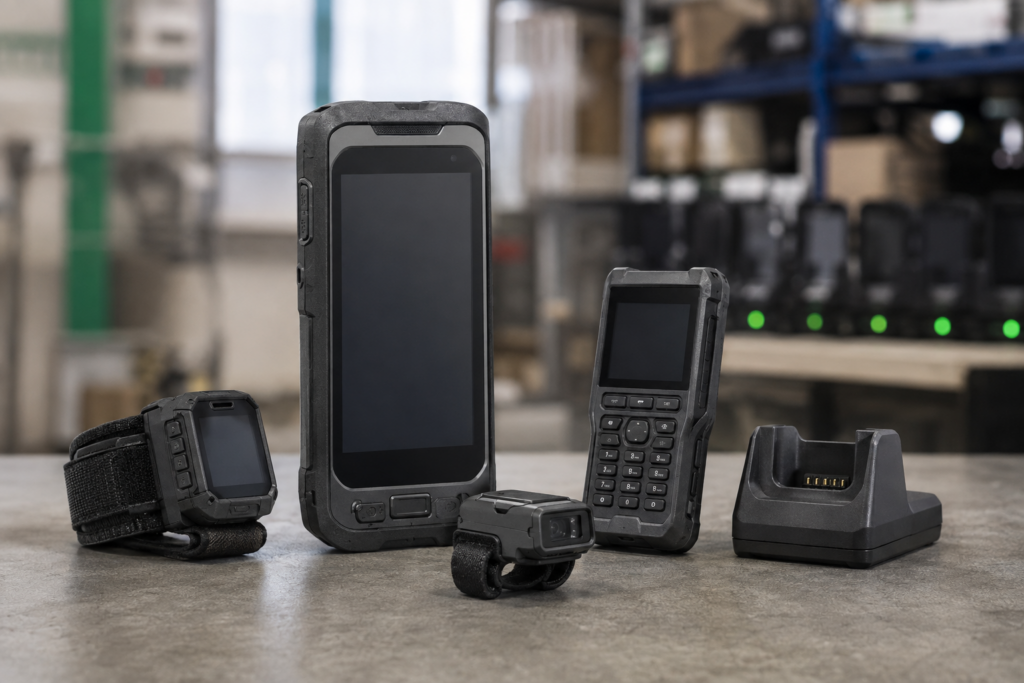
Applied Materials selected Tagit Solutions to implement a hybrid system combining passive UHF RFID, handheld and fixed readers, location marker tags and active Wi-Fi RTLS.
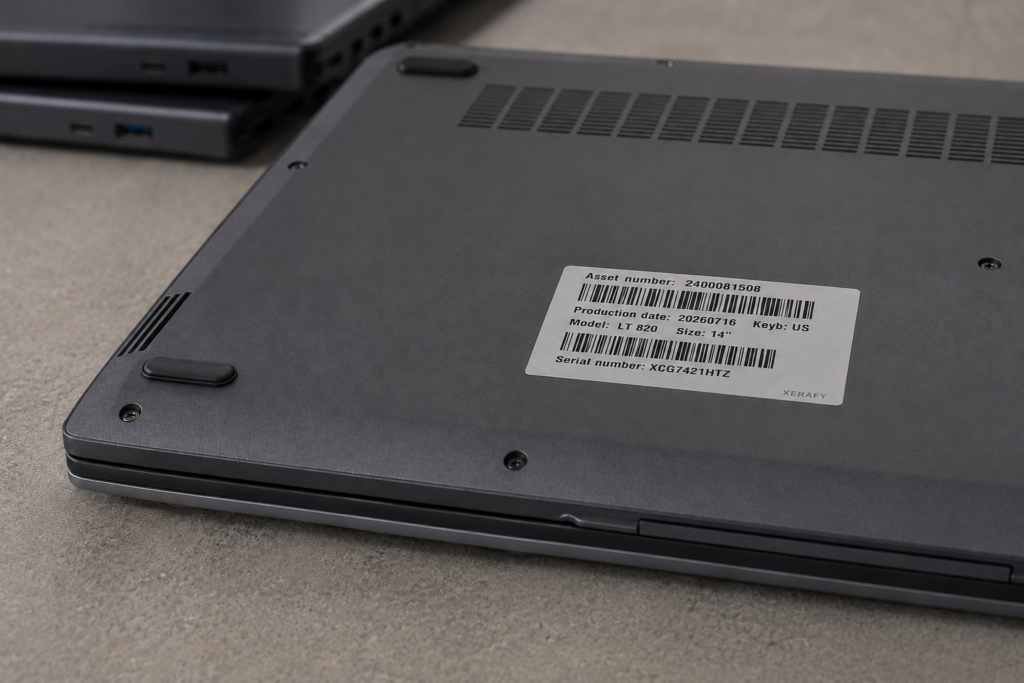
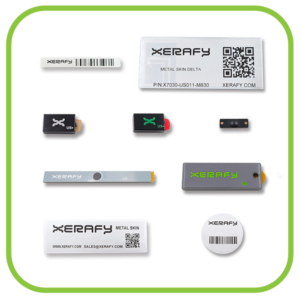
Xerafy’s passive UHF labels were applied to laboratory equipment, reusable targets and storage containers.
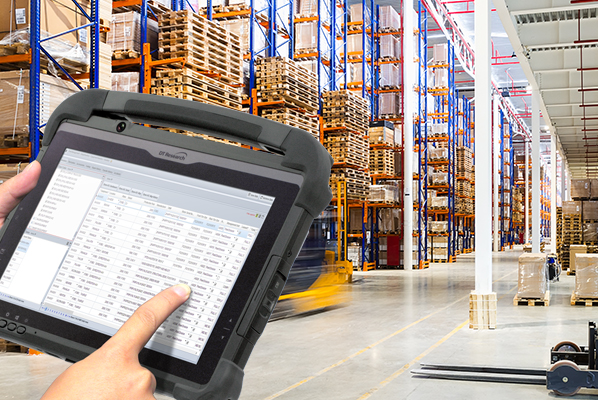
Each label identity was associated with the corresponding asset record. Fixed read points recorded tagged equipment moving between areas, while handheld readers and location marker tags helped personnel identify the relevant rack and shelf.
For selected customer wafer boxes and other critical items requiring continuous location visibility, active Wi-Fi tags used Applied Materials’ existing network infrastructure to provide RTLS within defined areas.
Recovering High-Value Semiconductor Targets for Reuse
Semiconductor targets containing materials such as aluminum, copper or gold could be reused, but only if laboratory teams could locate them after each process.
Passive RFID labels helped identify the targets or their storage boxes as they moved between areas. Handheld readers and location marker tags then helped personnel narrow the search to the relevant rack and shelf.
Applied Materials reported that the ability to locate and reuse these targets alone helped justify the investment in the RFID infrastructure.
Selecting RFID Tags for Laboratory Equipment
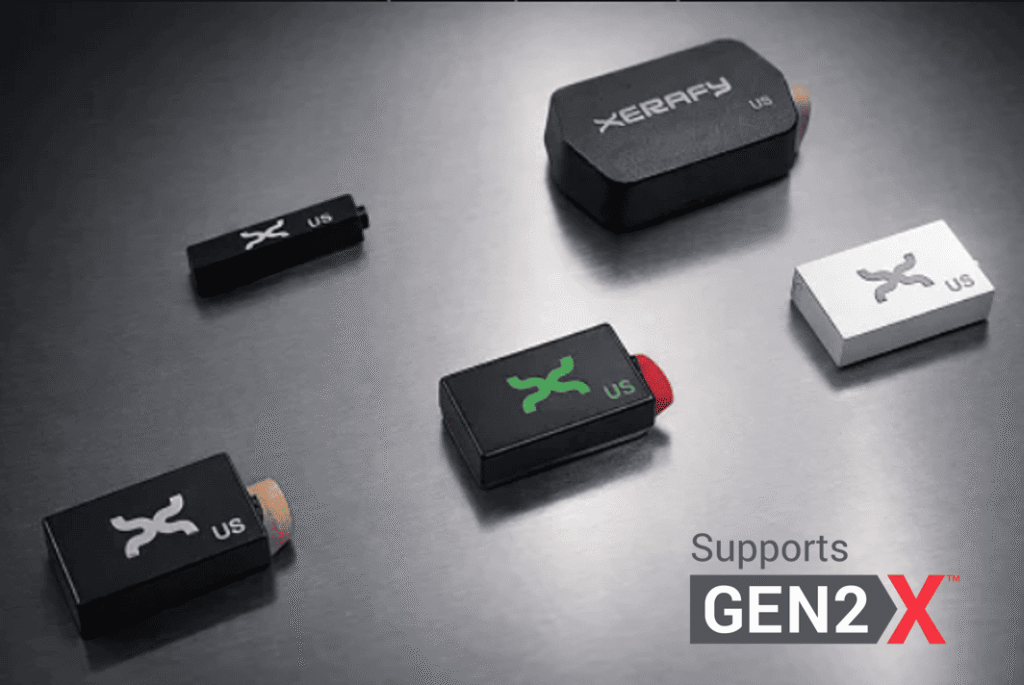
Laboratory and test equipment can include metal housings, compact components, storage containers and devices exposed to frequent handling. The appropriate RFID tag depends on the asset surface, available placement area, attachment method and intended handheld or fixed-reader workflow.
Xerafy Metal Skin® provide thin, printable labels for suitable metal equipment. Other assets may require a compact rugged tag or a device-specific format.
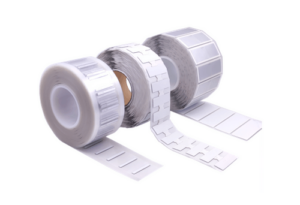
Metal Skin® series
Candidate tags should be tested on representative equipment in the actual laboratory environment, including expected RF interference, asset orientation, storage density and reader locations.
Results: Recovering High-Value Assets and Improving Laboratory Control
Applied Materials gained better control over high-value equipment and materials across its laboratory operations.
- Personnel could locate test and measurement equipment required for inspection and calibration.
- RFID helped recover reusable semiconductor targets instead of unnecessarily replacing them.
- Better asset visibility reduced purchases of equipment that was already available but difficult to locate.
- RTLS supported closer control of selected customer wafer boxes and intellectual property.
- Equipment usage records supported tax-credit claims for qualifying depreciated equipment.
Applied Materials reported that recovering and reusing semiconductor targets alone helped justify the investment in the RFID infrastructure.
What to Validate in a Laboratory RFID Deployment
Laboratory equipment should be tested with the intended tag, placement and reader workflow before rollout.
- Validate tags on representative metal and non-metal assets
- Confirm that placement does not obstruct controls, ports, vents or existing identification
- Test performance in the actual RF environment
- Confirm how handheld, fixed-read-point and RTLS data will be used
- Define workflows for calibration, missing equipment and reusable assets
- Keep passive RFID identification separate from continuous RTLS location claims
A tag that performs well in an open-area test may behave differently on the final equipment or near RF-generating laboratory processes.
Planning to tag test instruments, power supplies, electronic equipment or other high-value laboratory assets? Share the representative equipment, surface materials, available placement areas and intended handheld or fixed-reader workflow. Xerafy can recommend candidate tags for testing before pilot deployment.
Xerafy is a pioneer in Industrial RFID, bringing to market several innovations that enable advanced industrial identification and automation capabilities.
In addition to a complete range of field-proven RFID tags available off-the-shelf, Xerafy offers Custom RFID Tags services, covering everything from a personalization service bureau to custom-design engineering capabilities.