Email Xerafy in
Battery-Free RFID Sensor Tags for Asset and Infrastructure Monitoring
Passive RAIN RFID • Temperature, strain and humidity • Embeddable • Concrete and harsh assets • IP68 weatherproof • Custom sensing
XENSE pairs passive RAIN RFID identification with battery-free sensing. At a fixed read point or during a handheld scan, the tag returns its ID and a configured measurement, such as temperature or strain. Teams can check an asset’s condition in the same workflow used to identify it.
Xerafy’s rugged XENSE tags are designed for concrete and industrial assets. For packaging, inventory, and returnable containers, Xerafy can engineer sensor labels, inlays, and hard-tag formats around the measurement, asset surface, and read workflow.
“Xerafy is a highly regarded specialist in the field of RFID for mission-critical applications, and they came out on top of our evaluation.”
The measurement, asset surface, and read point determine whether a project needs a rugged tag, label, or inlay
The RFID reader powers the sensor when the tag is read
Capture an asset ID and sensor measurement with a suitable UHF RFID reader
Rugged tags for industrial assets; engineered labels and inlays for other workflows
Temperature and strain designs, with other sensing requirements reviewed by engineering
Associate each condition measurement with the tagged item’s ID
Check conditions at fixed read points or during handheld scans
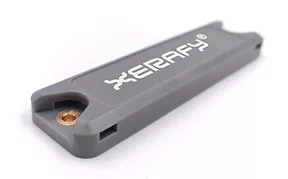
Battery-Free Concrete Curing
The Xerafy XENSE Temp is a battery-free RAIN RFID sensor designed for concrete curing monitoring.
The industry-grade case and attachment system is embeddable in concrete and offers a fast read-rate sensing platform with customizable features.
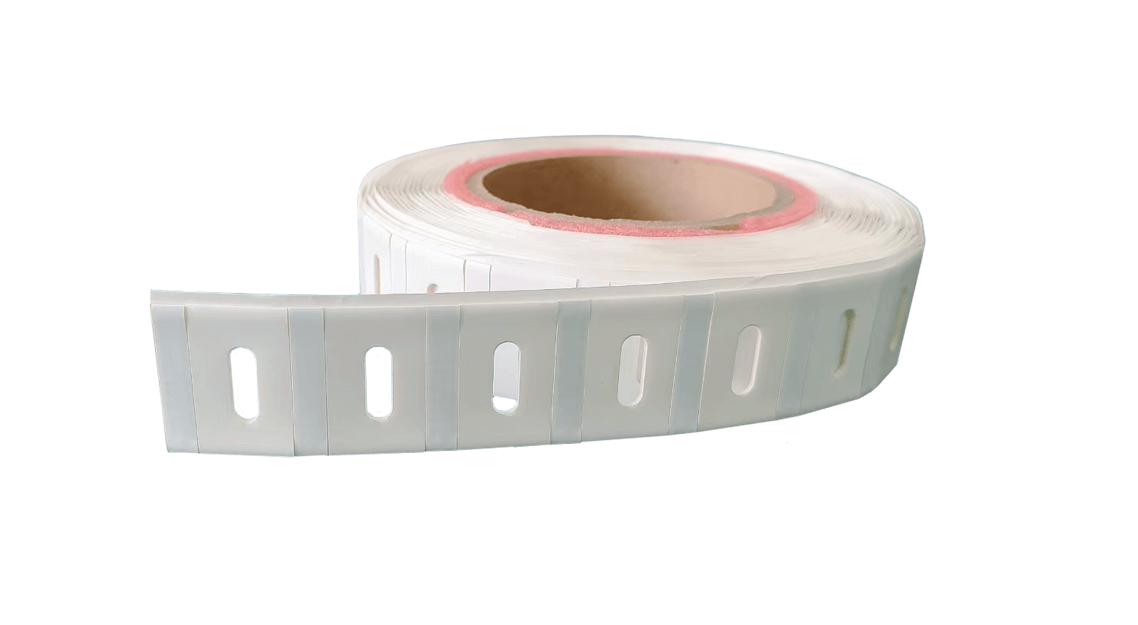
Battery-Free Packaging Sensing
The Xerafy XENSE Label is a battery-free RAIN RFID sensing format for condition checks on packaging and inventory.
Label or inlay construction can be engineered around the measurement, application surface, and read point.

Battery-Free Returnable Sensing
The Xerafy XENSE POD is a battery-free RAIN RFID sensing format for reusable totes, crates, and containers.
Its housing and attachment can be engineered around the measurement, handling cycle, and read point.
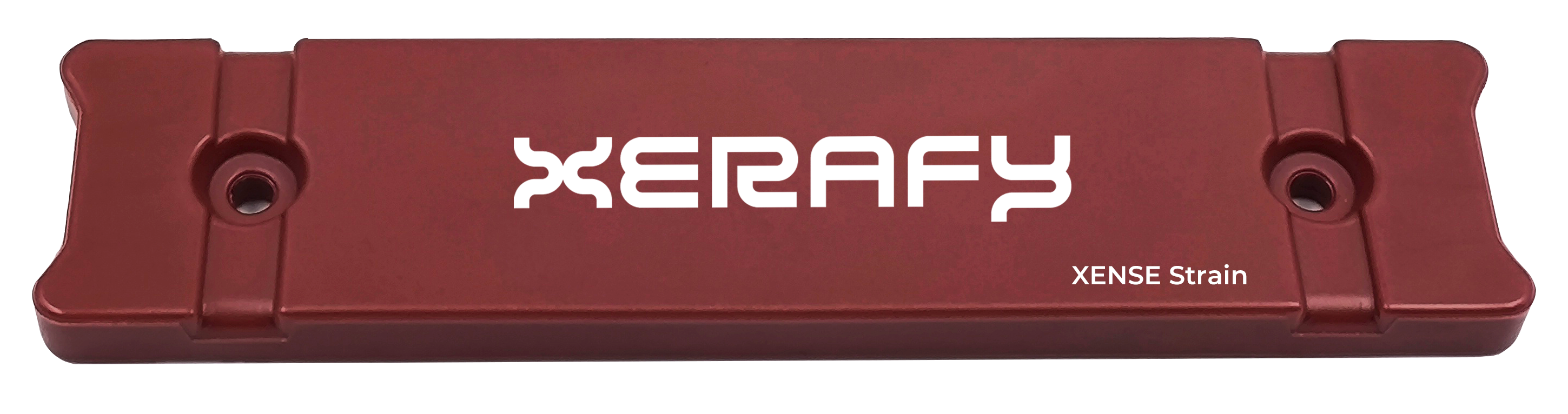
Infrastructure Monitoring
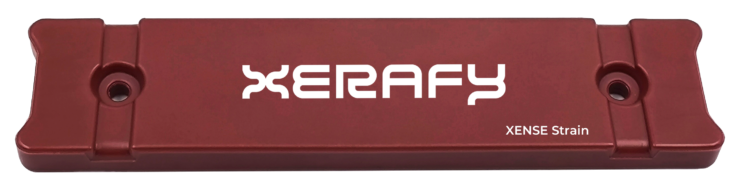
The Xerafy XENSE Strain is a battery-free RAIN RFID sensor designed to monitoring strain in concrete structures.
The industry-grade case and attachment system is embeddable in concrete and offers a fast read-rate sensing platform with customizable features.

Battery-Free Humidity Sensing
The Xerafy XENSE Humidity is a battery-free RAIN RFID sensor for moisture monitoring.
The industry-grade case and attachment system offers a fast read-rate sensing platform with customizable features.

A sensing project starts with the condition to measure, the asset or package carrying the sensor, and the point where it will be read. Xerafy can scope a rugged tag, label, or inlay around that workflow.
Add visible IDs and barcodes to engineered sensor labels for packaging and inventory

Laser-mark rugged sensor housings for assets used through repeated handling cycles

Assign unique RFID IDs so software can link sensor readings to the right item or asset

Define the sensing design, construction, and attachment for the surface and handling conditions
XENSE is useful when a condition measurement can inform a decision at an RFID read point. The asset and reading workflow determine whether the sensor belongs in a rugged tag, label, or inlay.
An RFID sensor pairs a tag ID with a condition measurement, such as temperature or strain.
When a compatible RFID reader scans a passive XENSE sensor, the reader’s signal powers the tag and retrieves both values.
The scan identifies which asset was checked and what it measured at that point.
Passive RFID sensing returns an item’s ID and condition reading during the same scan, without a battery or wired connection at the tag.
It avoids battery replacement and lets teams add a condition check at a defined point in the workflow, from concrete inspection to warehouse receiving or returnable-container handoffs. Each reading can be tied to the identified asset for review or action.
XENSE includes temperature, strain, and humidity sensing designs.
Some parameters are monitored directly by the IC chip, while others rely on resistive or capacitive sensors.
The rugged Temp and Strain tags are intended for concrete curing and infrastructure checks.
For packaging, inventory, and returnable containers, Xerafy can assess a sensor label, inlay, or rugged tag around the required measurement and read point.
Start with the condition you need to check and the decision the reading should support.
-40°C to +125°C (with external temperature sensor above for accurate measurement)
Percentage of humidity in the air
Detect and monitor motion, shocks
XENSE sensor data is read with a UHF RFID reader and software configured for the selected sensor.
At a fixed checkpoint or during a handheld inspection, the RFID reader captures the tag ID and measurement so the application can associate the reading with the right asset.
To discuss a project, tell Xerafy what needs measuring, where the read will happen, and which reader you plan to use.
XENSE Temp can be embedded in concrete so the curing team can read temperature at a defined location during curing.
At each planned check, a compatible RFID reader retrieves the tag ID and temperature, letting the team compare readings with the project’s curing criteria.
Choose the tag position and reader access before the pour.
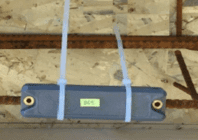
XENSE Strain can be embedded at selected points in a concrete structure.
At an inspection, each tag returns its ID and a strain measurement. Once each ID is mapped to its installation point, engineers can compare readings over time and investigate changes. Define tag placement and reader access before installation.
During a maintenance inspection, a passive RFID sensor returns the asset ID and a condition reading when scanned.
A technician can compare temperature or strain with a defined limit or earlier readings to decide whether closer inspection is needed.
For equipment applications, Xerafy can scope the sensor, tag format, attachment, and read point around that decision.
At a dock, receiving station, or return point, a compatible RAIN RFID reader can collect an item’s ID and a condition reading from a passive sensor tag.
The reading can be checked against a defined threshold to decide whether a package or returnable container should be accepted, inspected, or held.
Xerafy can scope a sensor label or inlay for packaging, or a rugged tag for reusable totes and crates. The required measurement, asset surface, handling cycle, and read point determine the design.